Field Notes
Field Notes aren't reports from Amy Selwyn. They're reports from Amy Selwyn's attention.
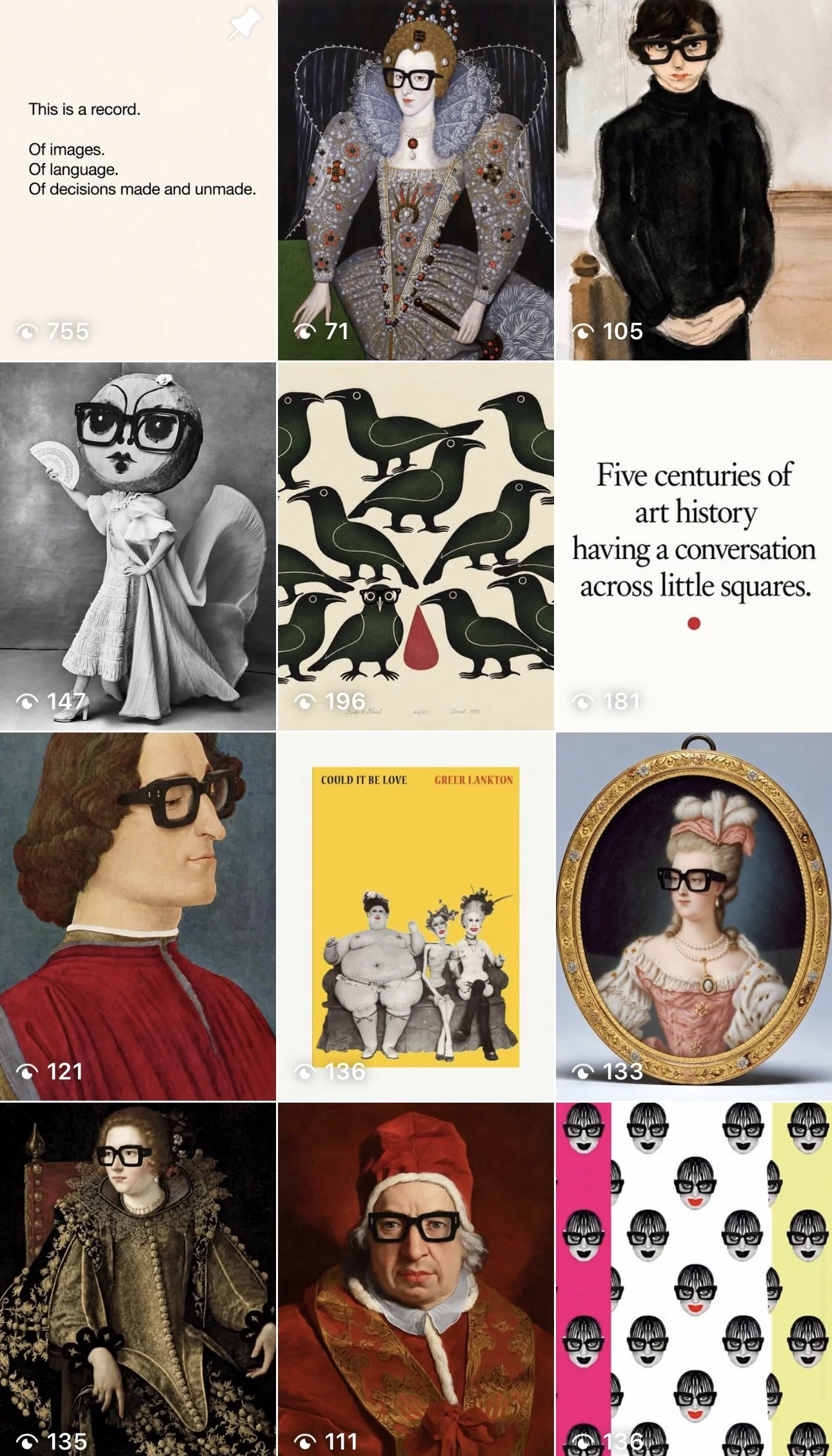
The Grid Is the Conversation (10/26)
I didn't set out to make an artwork on Instagram.
I set out to look at art. Every day. To find something that interested me, amused me, challenged me, or simply made me stop scrolling. And then to intervene, usually with a pair of absurdly chunky black glasses.
The premise was ridiculous. Deliberately so.
But something unexpected began to happen.
A Renaissance painting found itself beside a contemporary photograph. An Inuit printmaker entered into conversation with Botticelli. Artists separated by centuries, continents, traditions, and intentions became neighbors in three little squares.
There was no attempt to make the images match. Quite the opposite. Their differences were part of the pleasure.
And yet, over time, the grid began to acquire a coherence of its own.
Cohesion is a conceptual achievement, not a visual condition.
I've spent much of my professional life thinking about how images communicate, how stories are constructed, and how meaning emerges through selection and juxtaposition. But this project has made me think differently about Instagram itself.
What if the platform isn't simply a place to exhibit work? What if the platform becomes part of the work?
The grid imposes its own architecture. Three columns. A relentless chronology. Every new image changes the relationship between the images already there. Nothing remains quite where it was.
There is something wonderfully unpredictable about that.
And something equally important about the discipline of returning to it every day.
I didn't begin with an exhibition plan or a grand artistic statement. I began with a small, repeatable act of looking.
The accumulation became the composition.
The grid isn't simply a collection of images. It's a conversation among them. And with every new addition, the conversation changes.
Perhaps that's the most interesting thing about making art: sometimes you discover what you're doing only after you've been doing it for a while.
The Version We Get to See 9/26
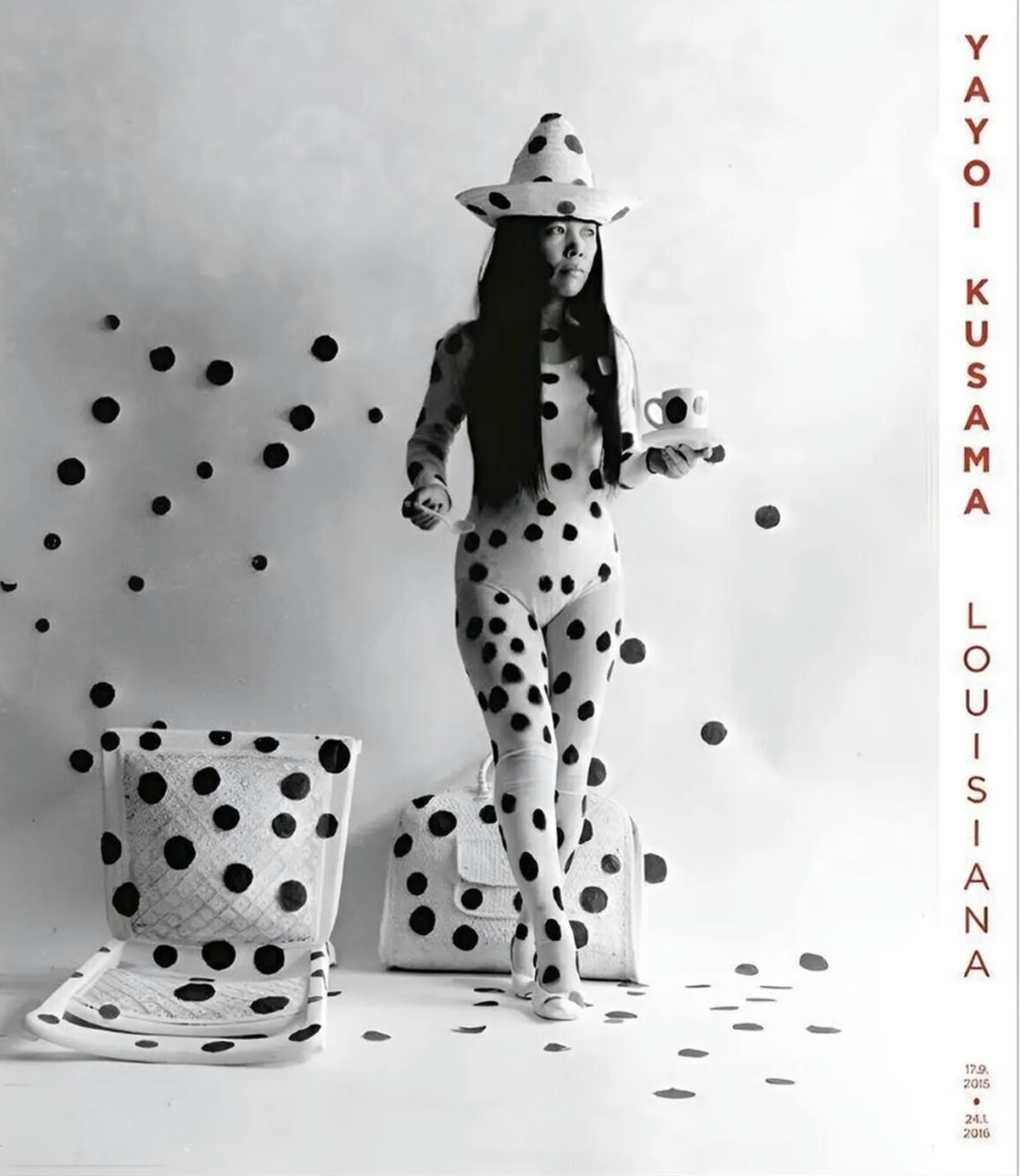
I learned something about Yayoi Kusama this week that I hadn’t known.
Her writing has included racist and specifically anti-Black descriptions—language for which she later apologized. I wasn’t aware. And here’s the detail in the story that stopped me:
A passage from the original Japanese edition of her autobiography, Infinity Net, was omitted from the English translation.
I found myself thinking less about Kusama than about the omission.
Who decides which version of an artist reaches us?
We tend to imagine an artist’s reputation as something that accumulates naturally around the work. But between an artist and an audience stand publishers, editors, museums, galleries, curators, critics, collectors and markets. Each makes choices about what to include, what to emphasize, what to translate, what to contextualize—and what to leave out.
No conspiracy is required.
A publisher makes an editorial decision. A museum constructs an exhibition narrative. A gallery positions an artist. A critic chooses a frame. A market rewards one version of the story more enthusiastically than another.
Each decision may be entirely explicable on its own.
Together, they become an architecture.
Which makes me wonder:
How much of what we think we know about an artist comes from the artist—and how much comes from the systems through which we encounter them?
And perhaps the more uncomfortable question:
What happens when the evidence that complicates the story is there, but the systems responsible for transmitting that story make it harder to see?
Full Circle 8/26
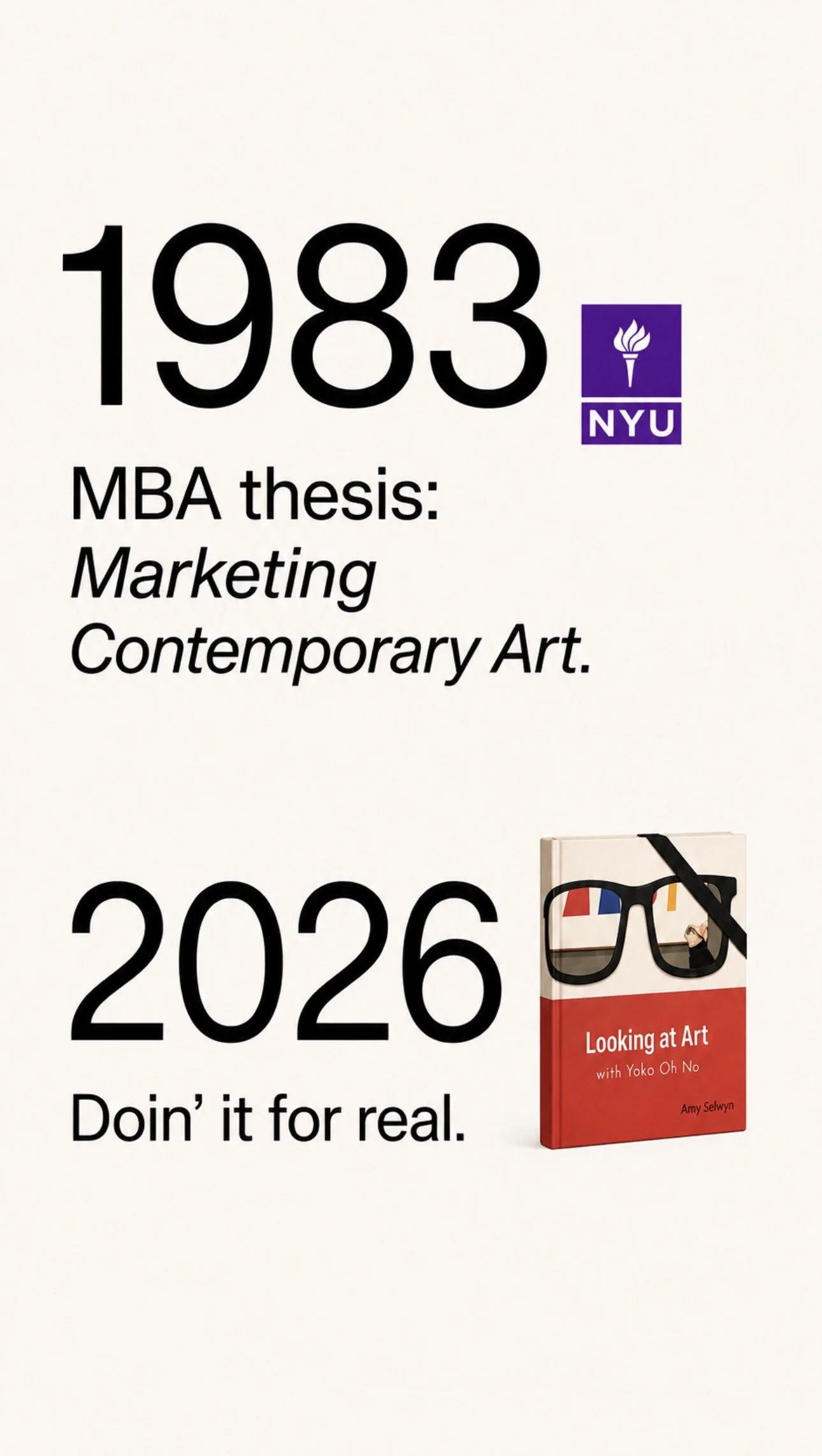
In 1983, I wrote my MBA thesis at NYU on Marketing Contemporary Art.
Forty-three years later, I find myself thinking about exactly the same question—only this time from the other side of the equation.
I made a book. But long before it existed, I was thinking about how I wanted it to exist in the world.
The making and the imagining happened together. I thought about the object itself, certainly, but also about where someone might encounter it, who might pick it up, what they might feel holding it, and where it might travel next. I balanced the doing with the envisioning.
That meant making choices. I wanted a beautiful art object intended for a child. A small edition. Something discovered in museums and independent places, passed from one person to another, and connected to the larger idea of helping children look at art.
There were certainly ways to make the project bigger. But bigger wasn’t the idea.
That distinction matters to me. Marketing isn’t necessarily about reaching the largest possible audience. Sometimes it is about having the clarity—and the nerve—to decide what something is, and then building everything around that vision.
There is something wonderfully satisfying about discovering that a question I was curious about at 24 still interests me at 67.
The difference is that this time, I’m not writing a thesis about it. I’m doing it.
The Organizing Principle 7/26
Every meaningful body of work is organized around a persistent human question.
Finding that question is rarely the beginning of the process. More often, it is the result of it.
At first there are only fragments: ideas, images, books, conversations, observations. The work feels scattered because the organizing principle has not yet revealed itself.
Eventually something changes.
You stop asking, What should I make next?
Instead, you begin asking, Does this belong?
That shift changes everything.
The organizing principle doesn't tell you what to make. It gives you a way to recognize what belongs to the same conversation—and what doesn't.
The work becomes less about invention and more about discovery. Eventually, it begins to tell you how it wants to be made
An Arrangement of Relationships 6/26
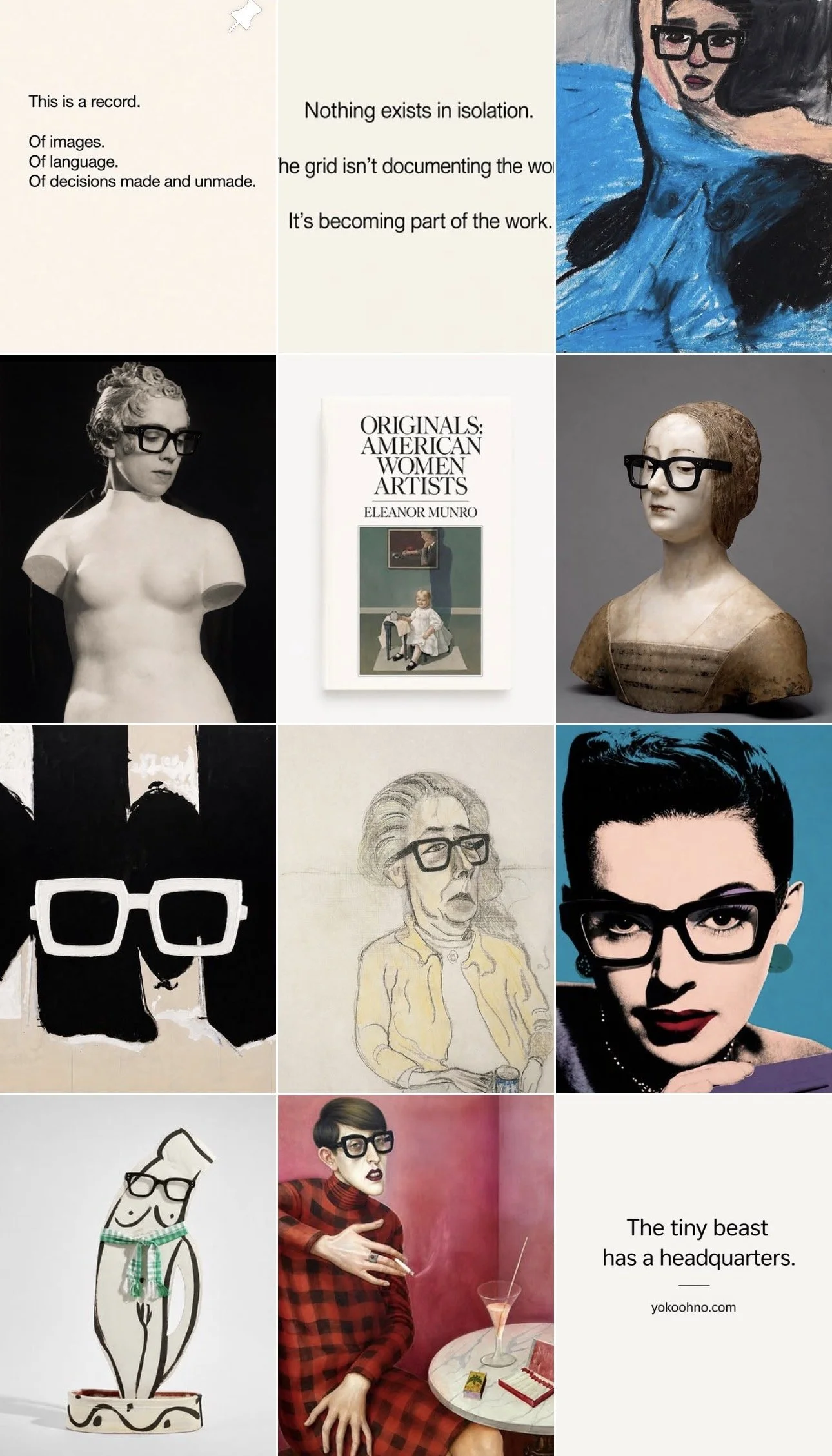
People often talk about sequencing as though it were a mysterious gift—something you either possess or you don't.
Working on the Grid has taught me otherwise.
Sequencing isn't the arrangement of things. Sequencing is the arrangement of relationships.
Every new addition changes the meaning of everything around it. Not only what follows, but what came before. Context is never fixed. The sequence continually rewrites itself.
That's why moving a single image, inserting a block of text, or disrupting an established rhythm can transform an entire body of work. Nothing has changed in isolation. The relationships have changed.
Sequencing isn't voodoo.
It's the deliberate shaping of relationships until the work carries the rhythm, tension, and feeling you want it to have.
Why the Need for False Modesty? 6/26
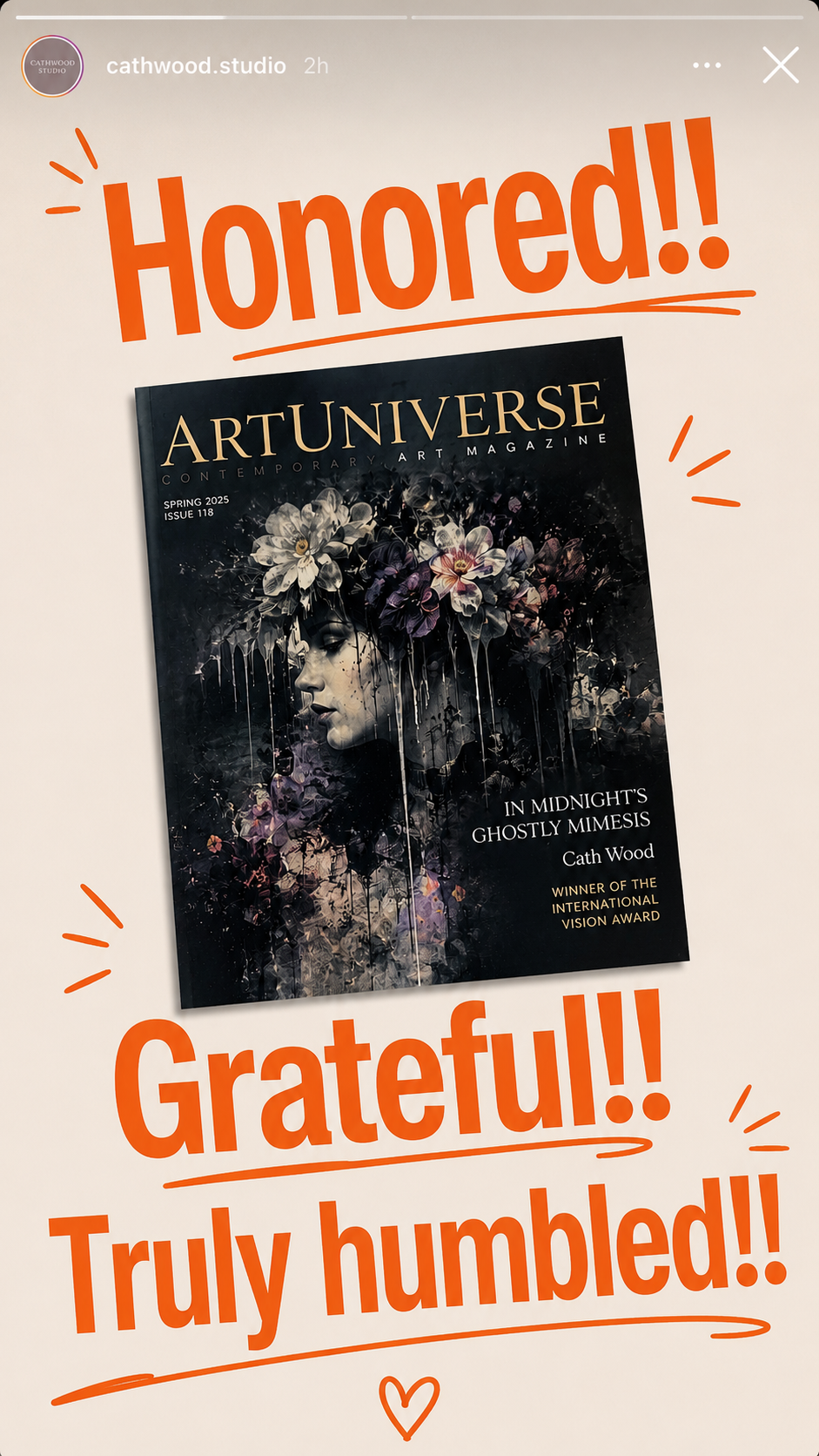
DISCLAIMER: This is not a real account or real posting. Double exclamation marks.
Social media has invented its own language for announcing success.
By using this language, artists aren't simply describing success. They're performing the socially acceptable way of having success.
The vocabulary is remarkably consistent.
Honored.
Humbled.
Grateful.
Surprised.
Pinching myself.
And the unwritten rule is: Rearrange as needed. Add one or two exclamation marks.
Of course, the artist may genuinely feel every one of those things.
This isn't a question of sincerity.
It's that gratitude has acquired a recognizable public script. Success now seems to require a ritual disclaimer:
Please don't think I'm proud of myself.
Please don't think I'm bragging.
God forbid.
I believe we can be delighted, grateful, aware of luck—and proud.
Those things are not mutually exclusive.
Finding the Throughline (6/26)
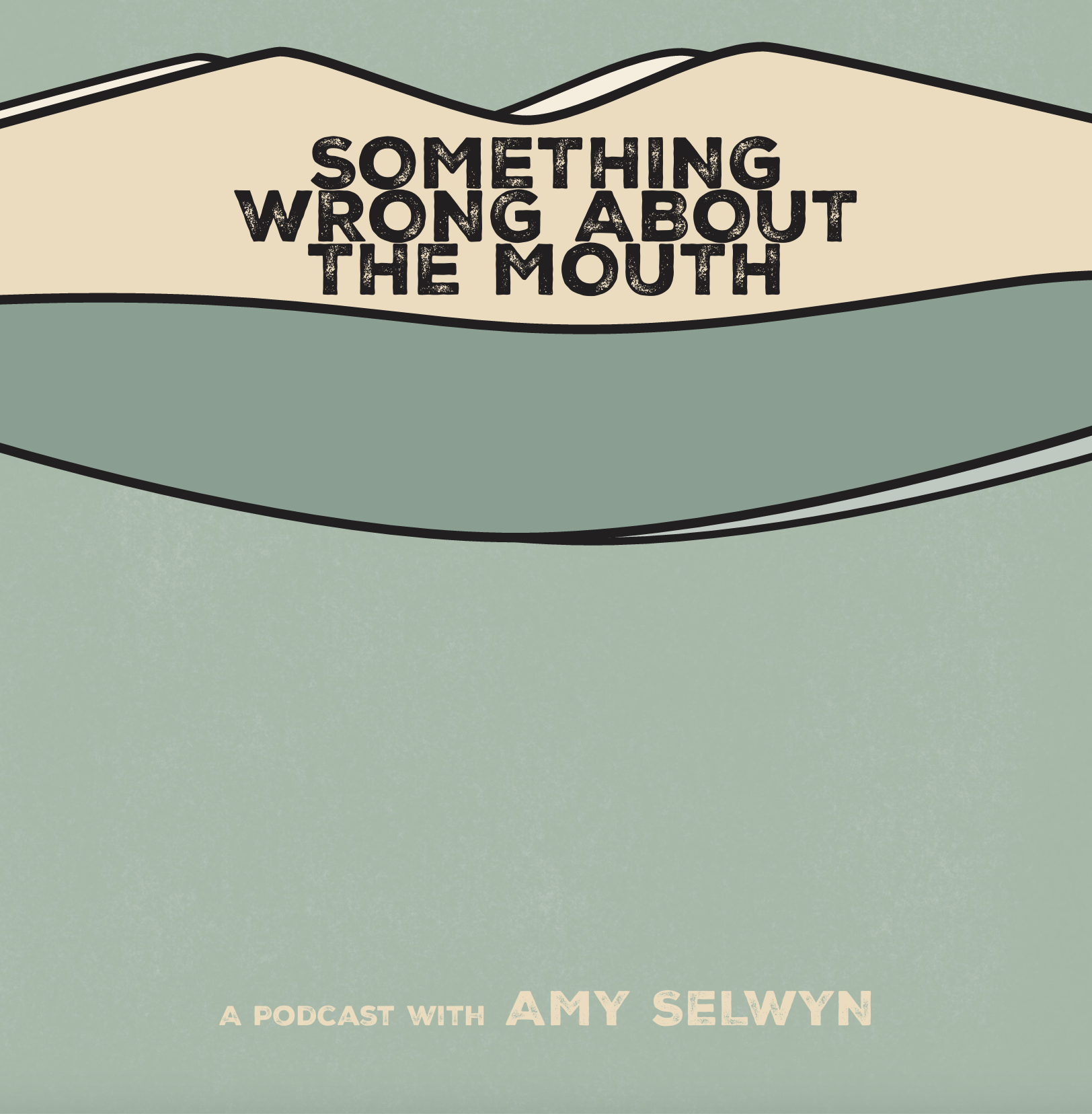
Cover to my MFA Thesis document, “Something Wrong About the Mouth,” about the shortcomings of portraiture. May 2025
Over the last year, since graduating from my MFA program, I've wondered whether my interests as an artist—my preoccupations and obsessions—had changed.
Thirteen months ago, I was making a performance and audio portrait piece built around the idea that the stories from my life were the only way to see the real me.
More recently, I began to suspect that the throughline in my work was an interest in systems: evaluation systems, classification systems, institutional systems, systems of judgment.
Today I realized that the systems were never the subject. They were the mechanism. The question underneath the work is much older.
I wrote my MFA thesis on the limitations of portraiture. I became interested in audio portraits because they offered the possibility of representing a person with greater complexity and nuance. At the time, I thought I was asking a question about portraiture.
I wasn't.
I was asking whether it is possible to represent a person without reducing them.
I am still asking how a human being becomes visible, knowable, recognizable, audible.
The systems, evaluations, scores, classifications, floor plans, linguistic operations—and now ethical dilemmas—are all different places where that question becomes visible.
Why does a performance review belong in the same universe as a luxury real-estate listing?
Why does a credibility score belong in the same universe as a portrait?
Why does a linguistic operation belong in the same universe as a classification system?
Why does an ethical dilemma belong in the same universe as all of them?
On the surface, they shouldn't.
But underneath, they are all wrestling with the same problem.
A human being enters a structure designed to represent them.
The structure is inadequate.
Something gets lost.
Something gets distorted.
Something gets amplified.
And yet we continue trying.
That was true of portraiture.
That was true of audio portraits.
That is true of Under Continuous Review.
That is true of The Space You Deserve.
The projects have changed.
The question hasn't.
Perhaps the work has never really been about systems at all. It has been about paying attention to the places where representation—and recognition—begin to fail.
Open for Discussion (06/26)
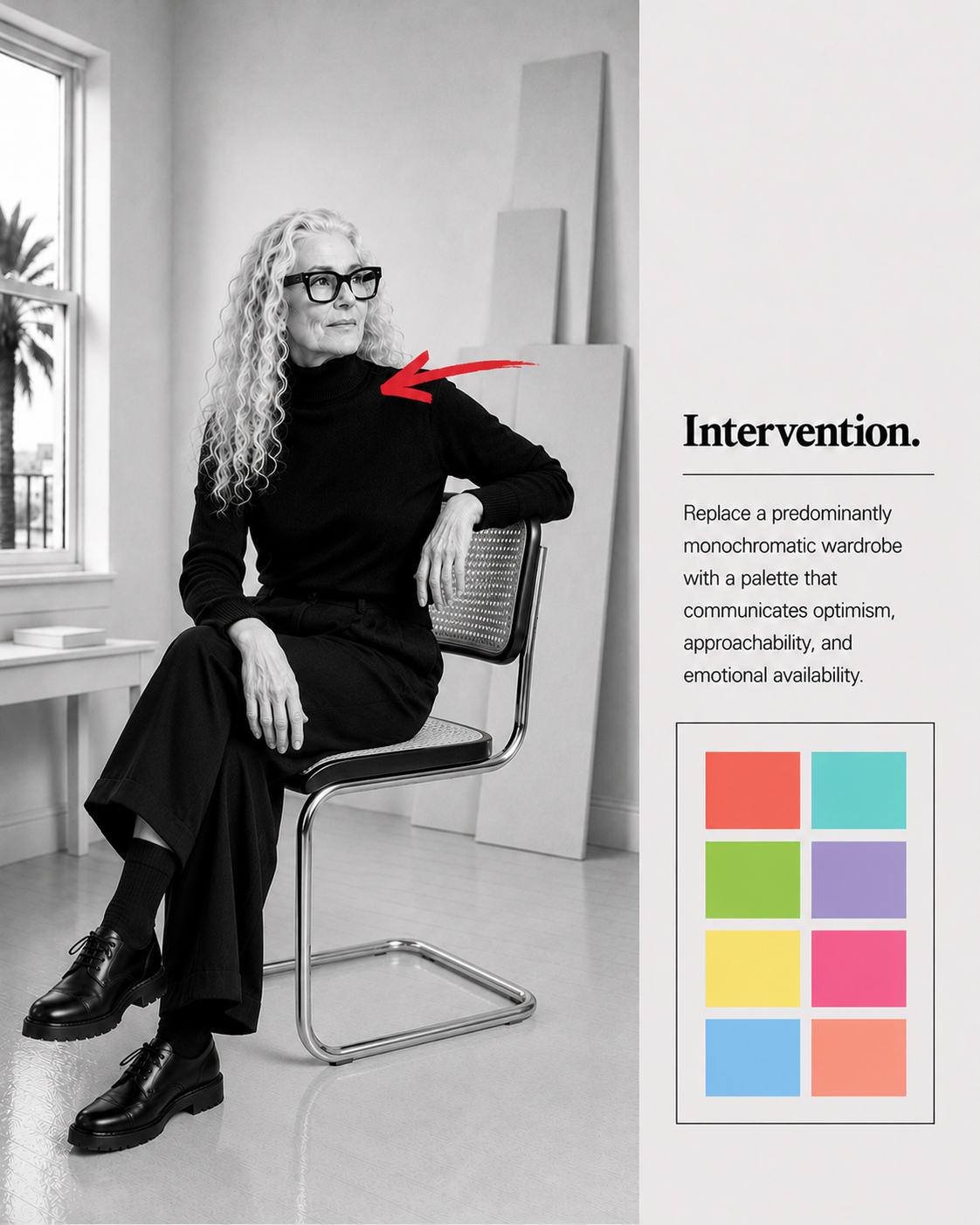
Some choices are treated as personal preferences. Others are treated as invitations for improvement.
For reasons I have never fully understood, a predominantly black wardrobe often falls into the second category.
Over the years, people have suggested brighter colors, softer colors, more cheerful colors, more approachable colors. They have proposed florals, pastels, jewel tones, and seasonal palettes. The recommendations are usually presented as helpful observations.
You would look happier in blue.
You would seem warmer in pink.
How about adding a bright scarf?
What interests me is not the advice itself. It is the assumption behind the unsolicited advice.
A monochromatic wardrobe is understood to require explanation in a way that other aesthetic choices do not. The person dressed entirely in black may be asked to justify the decision. The person dressed in coral, lavender, turquoise, and floral prints is rarely asked to explain or defend their choices. Tbh, I look at those clothes and see a marshmallow Peep.
One aesthetic position is treated as a preference. The other is treated as a problem.
This is curious because neither is accidental.
An all-black wardrobe is a deliberate choice. So is a wardrobe built around bright colors and patterns. Both communicate something. Both reflect taste. Both express a set of priorities. Yet only one routinely becomes the subject of public consultation.
The conversation is rarely about color. It is about personality.
The suggestion is not merely that the clothing should change. The suggestion is that the person wearing it should appear more cheerful, more welcoming, more emotionally available, more reassuring to others.
The wardrobe becomes a proxy for a much larger set of expectations.
What interests me is not why some choices attract commentary. What interests me is why other choices are exempt from it.
Could Anyone Else Have Made This? (06/26)
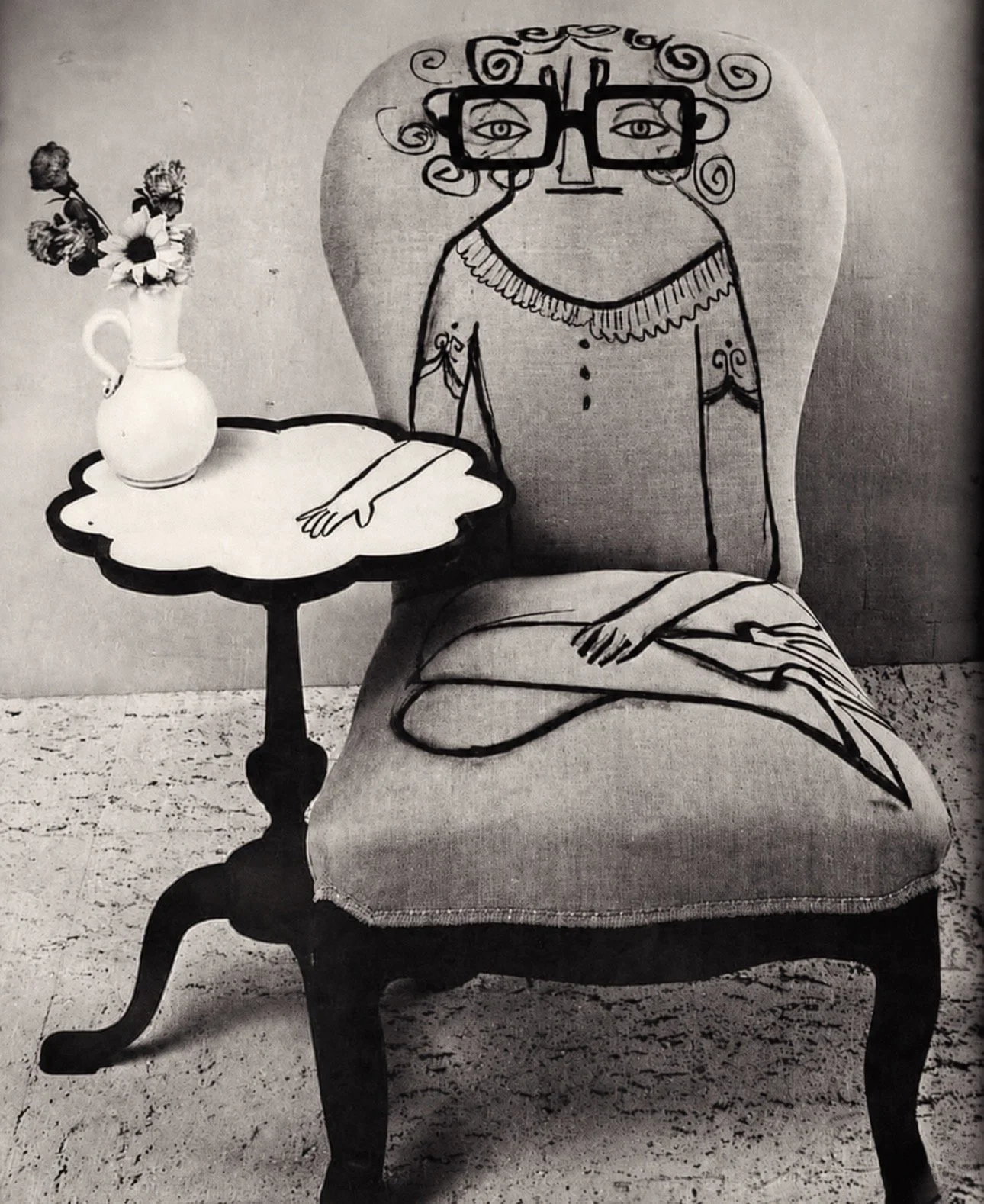
After Saul Steinberg. Intervention by Selwyn / Oh No Studio.
The question is not whether the work is new.
The question is whether it could have come from anyone else. Or is it unquestionably the work of so-and-so?
Genuinely personal work often contains recognizable influences, references, and borrowings.
"Is this new?" is almost always a dead end because it assumes originality means having no predecessors. That's never really been how art has worked. Picasso learned from Iberian sculpture and African masks. Warhol learned from advertising. Cindy Sherman learned from film. Greer Lankton absorbed fashion, dolls, drag culture, and lived experience.
Every artist enters an ongoing conversation. Instead of asking, “Is this new? Have I seen this before?” I believe we should be asking these three questions:
What conversation is this work entering? (No artist begins from nowhere.)
What does this artist contribute to that conversation? (The distinctive voice.)
Is that contribution unmistakable? (The work bears the artist's signature in the deepest sense.)
It’s the Same Book 6/26
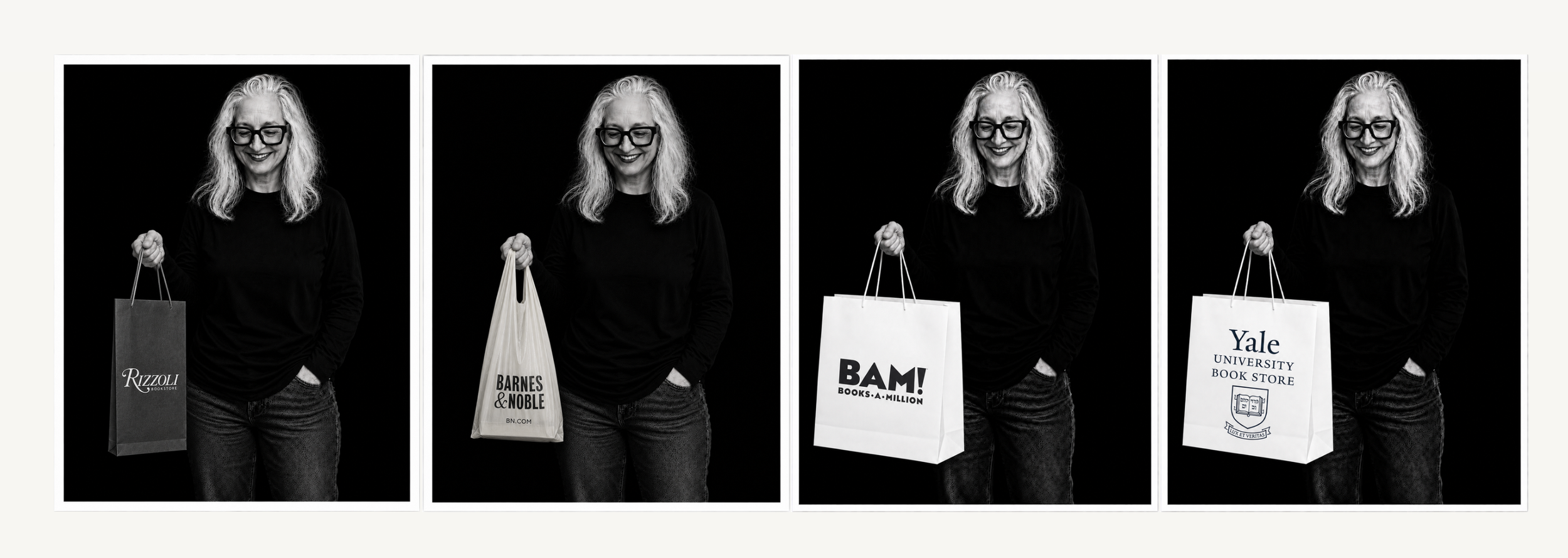
The woman in these photographs purchased a copy of The Story of Art Without Men by Katy Hessel.
The book remained the same. The text remained the same. The reader remained the same. Only the bag changed. Everything else was interpretation.
“But What About the AI?” (5/26)
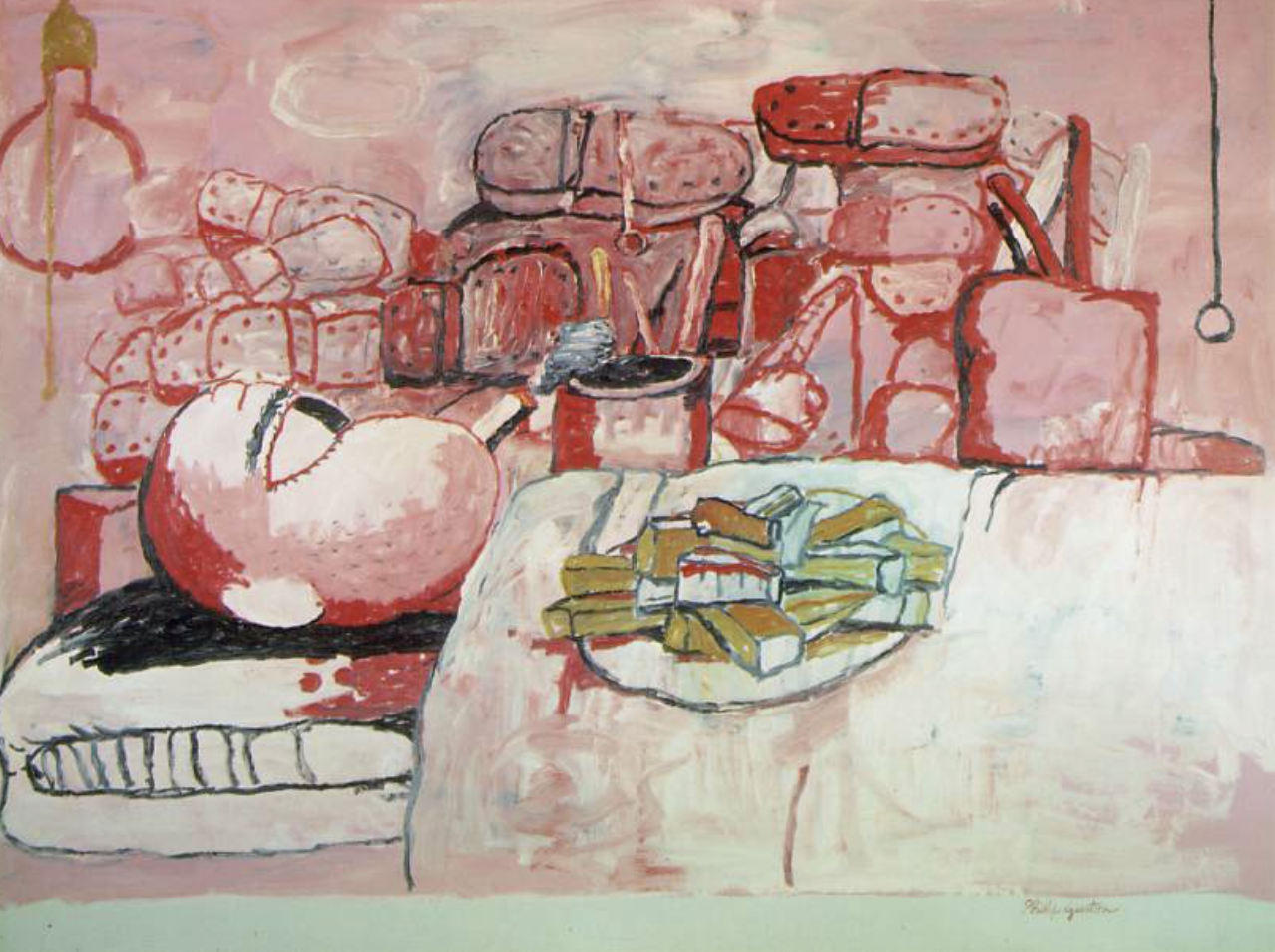
Painting, Smoking, Eating, Philip Guston, 1973, Courtesy of the Stedelijk Museum
People often ask me about the AI in my work.
I understand why. We are living through a moment in which the tool itself attracts enormous attention.
But AI is not the subject of the work.
If I had photographed every portrait in Under Continuous Review myself, the project would remain conceptually unchanged. The structure would be the same: a portrait, a fragment of human narrative, and a system of evaluation operating upon them.
The work is not concerned with how the images are made. It is concerned with what happens when systems decide what information matters and what information can be ignored.
Discussing AI in this context can sometimes feel like standing in front of a Philip Guston painting and spending twenty minutes discussing the brand of brushes he used.
The brushes are part of the production of the work. But they are not the subject of the work.
The portraits are fictional. The judgments are familiar.
The Container (5/26)
On building a living practice inside a system
I'm a conceptual artist and it is hard to find physical spaces in which to share my work or even see it “in action.” So, I began building this website as a practical necessity. At first, I thought of it as documentation: a container into which completed projects would be placed.
Up until very recently, here’s what I would have done to make this website a reality: I would have hired a freelance web designer and then I would have engaged a developer to write the code and get the thing up and running. This time, however, I decided to mimic my own process and build it myself with AI.
Using ChatGPT, I built my own website. No coding involved. Together, we took the most unexciting template we could find on Squarespace and proceeded to obliterate it. Then we rebuilt it according to the logic of the work itself.
The process of building the site began to mirror the work itself.
I was working inside an existing system — templates, hidden rules, structural constraints, interface logic — pushing against it, adapting to it, trying to understand what it would and would not allow. Certain decisions produced unexpected consequences. Certain possibilities only emerged through repetition, sequencing, or accident. Meaning accumulated slowly through structure.
At a certain point, the distinction between the work and the container holding the work became less stable.
I had no interest in building a promotional website or a professionalized artist identity. Most artist websites are fundamentally marketing structures, even when they attempt to disguise themselves as something else. The work becomes secondary to legibility, navigation, career formatting, institutional readability, and self-presentation.
I wanted something different.
I wanted the site to function as an environment where the work could exist on its own terms. Not a showcase, but a container. The difference is important. A showcase explains and promotes. A container holds pressure, rhythm, adjacency, interruption, sequence, and accumulation. It allows meaning to emerge over time rather than delivering it all at once.
The site gradually stopped functioning as documentation alone. It became part of the governing structure of the work itself.
And because the site was built through an extended interaction with ChatGPT, another layer entered the process: constraint through dialogue. Much of the construction involved iterative exchange — literally, a conversation between me and AI — inside a system whose operations were only partially visible to me. That felt familiar. Much of my work already deals with procedural authority, hidden assumptions, institutional language, and systems that shape outcomes without fully revealing their logic.
I eventually realized I was no longer simply building a website about my work.
I was building another version of my practice.
The Mythology of Artistic Life (5/26)
One of the strangest aspects of contemporary artistic life is the gap between how it is publicly presented and how it is actually lived.
Publicly, artistic life appears as a continuous stream of inspiration and momentum: exhibitions, grants, residencies, fellowships, publications, announcements, acceptances, invitations. Social media has intensified this effect in a big, big way. Artists are expected to maintain a visible narrative of forward motion. “Thrilled to announce.” “Honored to be included.” “Delighted to share.”
Over time, this creates a distorted picture of what a serious artistic life actually looks like.
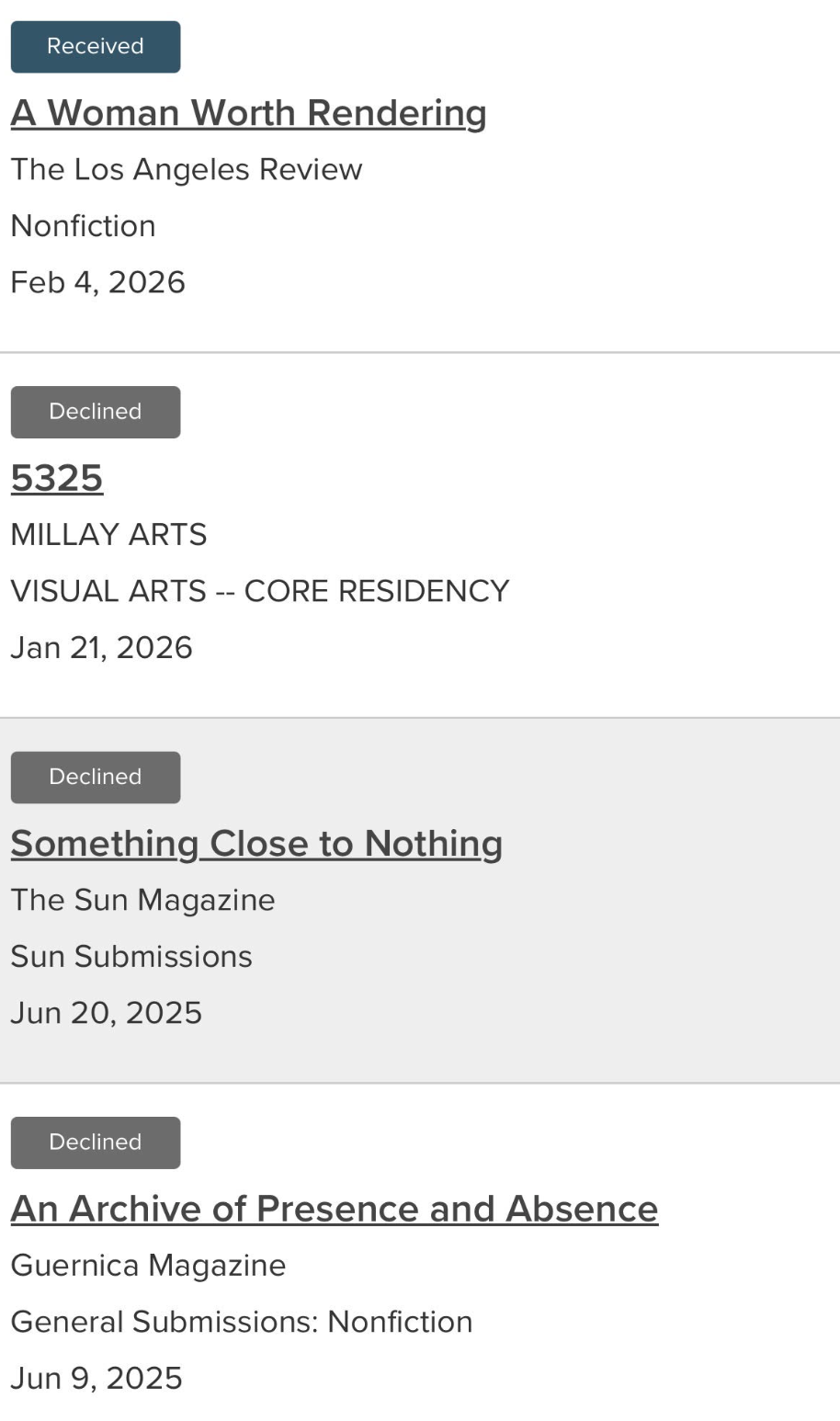
What remains largely invisible is the administrative weather surrounding the work itself: applications, portals, deadlines, recommendation requests, submission fees, waiting periods, silence, rejection, recalibration, persistence.
The work develops inside this atmosphere. The work. That’s what’s missing.
What interests me is not rejection. Rejection has always existed and always will. And nobody, me included, loves it. But that’s not what interests me. What interests me is what repeated interaction with these systems teaches us artists over time.
Eventually, you begin to understand that institutional movement and artistic movement are not the same thing. A rejected proposal may still contain an important idea. A successful application may lead nowhere meaningful at all.
You also begin to understand how much artistic life depends upon the ability to continue without constant (or even frequent) external confirmation.
The portals change status. The work continues.
To me, that is the real ecology of artistic life: sustained attention.
Sequencing a Practice (5/26)
Instagram as an Artistic Space
I do not use Instagram for promotion or even visibility.
I use Instagram as a place to think visually — in public.
And that shift changes everything.
Social media encourages the idea of the single successful image. A post performs and gets likes, (or doesn't) and then it's on to the next one. But over time, I have become much more interested in what happens between images. Adjacency. Rhythm. Repetition. Interruption. Scale. Echo. Delay.
An image beside another image becomes a different image. A text piece interrupts visual momentum. A recurring object begins functioning almost like punctuation. Meaning accumulates slowly through sequence and return.
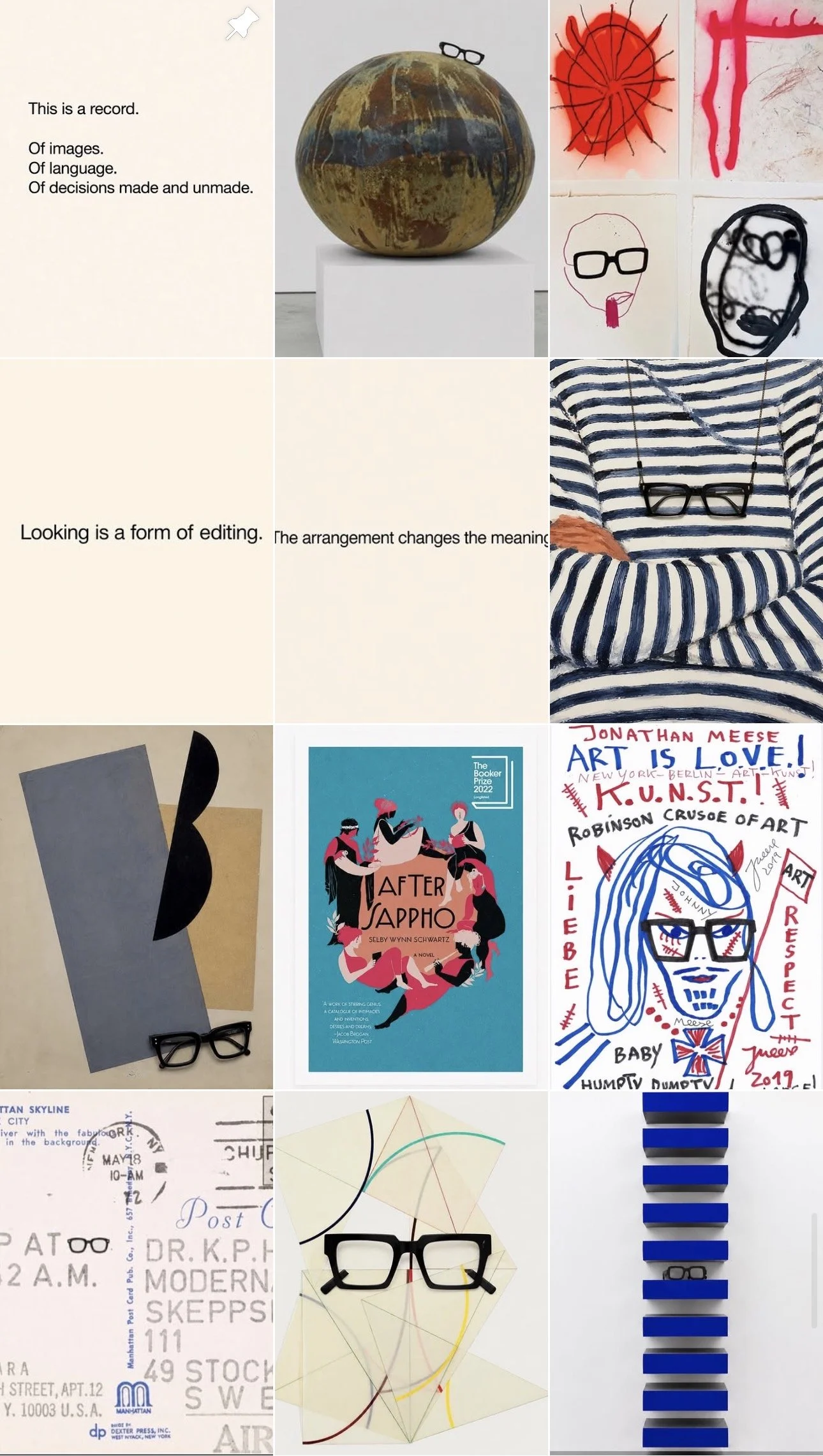
Screenshot of my Instagram account, May ‘26
Increasingly, I think of the Grid not as presentation, but as arrangement. And arrangement is never neutral. Nothing is unintentional. The placement changes the meaning.
What interests me is the evolving visual intelligence created by sustained sequencing over time.
The Grid allows thought to remain mobile. But the Grid remains unstable, revisable, alive. Images disappear. Others return unexpectedly. Certain ideas intensify through repetition. Others quietly fade away.
Looking becomes a form of editing.
The Instagram account itself becomes part of the artwork, part of the practice.
The account itself becomes an authored space.
Readers of the Work (5/26)
One of the hardest things for an artist to learn — and I’m learning it these days — is that witnessing is not evenly distributed.
Some people can accompany a becoming. They’re willing to look at work that is still in development and take the time to think it through, ask questions, and stay curious.
Others can only recognize outcomes.
Still others simply choose not to make room in their lives for sustained attention to another person’s work. That one feels crappy, especially when it becomes clear only after one person has spent a significant amount of time engaging with the other’s work.
It’s pretty natural to take the asymmetry personally, whatever the root cause. So we tend to think, If so-and-so isn’t saying anything, it must be because the work is lousy. It’s a very short distance between the lack of attention and the creeping self-doubt.
Back when I focused on photography, I had some readers: people who commented on individual images and said things like, Ooh, I love this one. Or, Great capture. (I hate the word “capture,” FYI!)
These days, however, my work requires a different kind of reading. I have very few readers. And, I’ll be honest: I wish I had more.
A colleague was recently commenting that she has so few people to talk to about her work. “I need to talk about my work.” Yup. I get that. And you know what I said in response? “Yes, you do. We all do. I’ve decided to make it a goal: to go out and find a real reader.”
Real readers — people willing to stay near the work while it is still becoming — are rare. But they matter enormously.
And the process must be mutual. I don’t just want readers of my work; I want to be a reader of other people’s work, too.
I want dialogue. And perhaps, too, a reputation for being the reader who stayed.
Restraint (5/26)
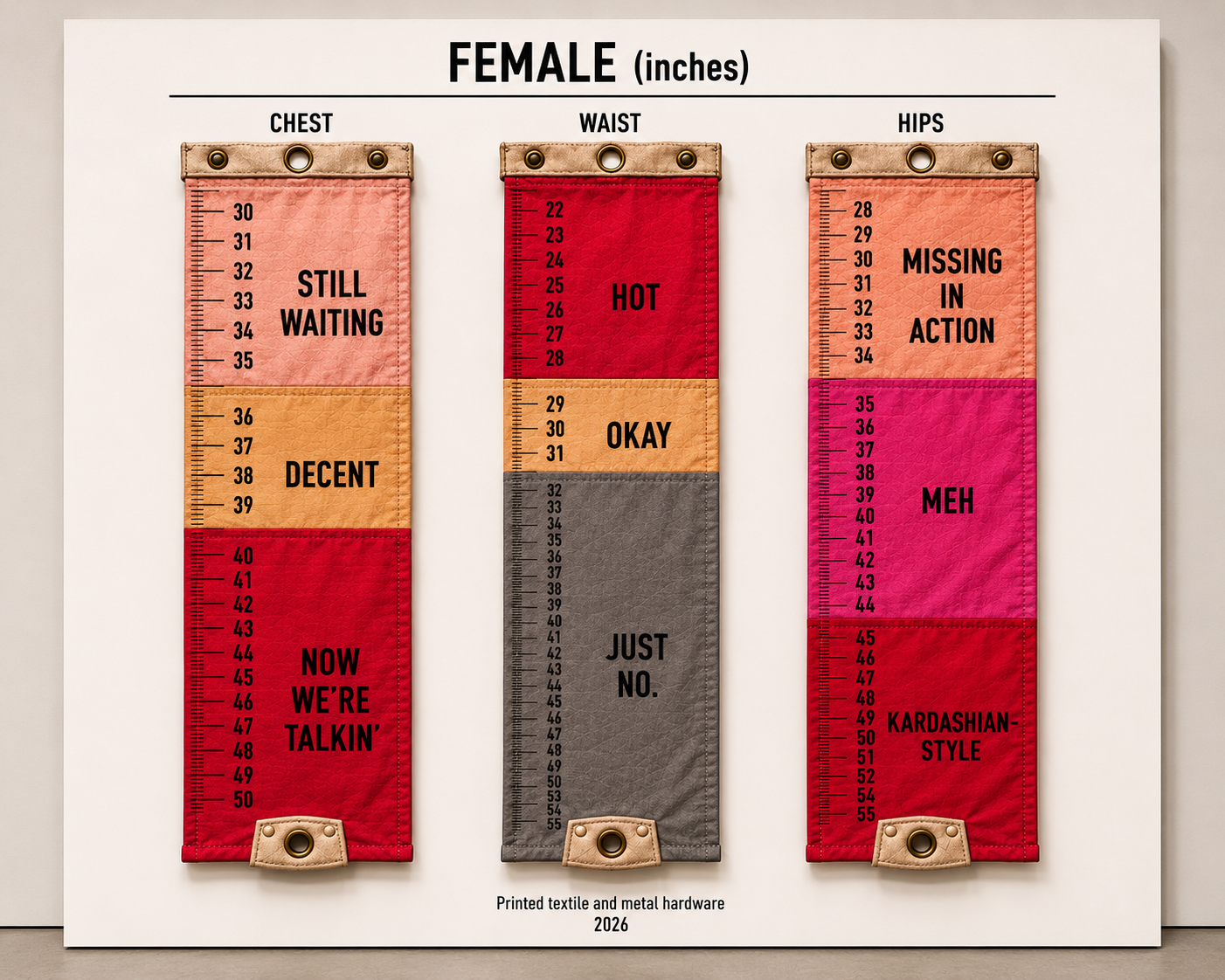
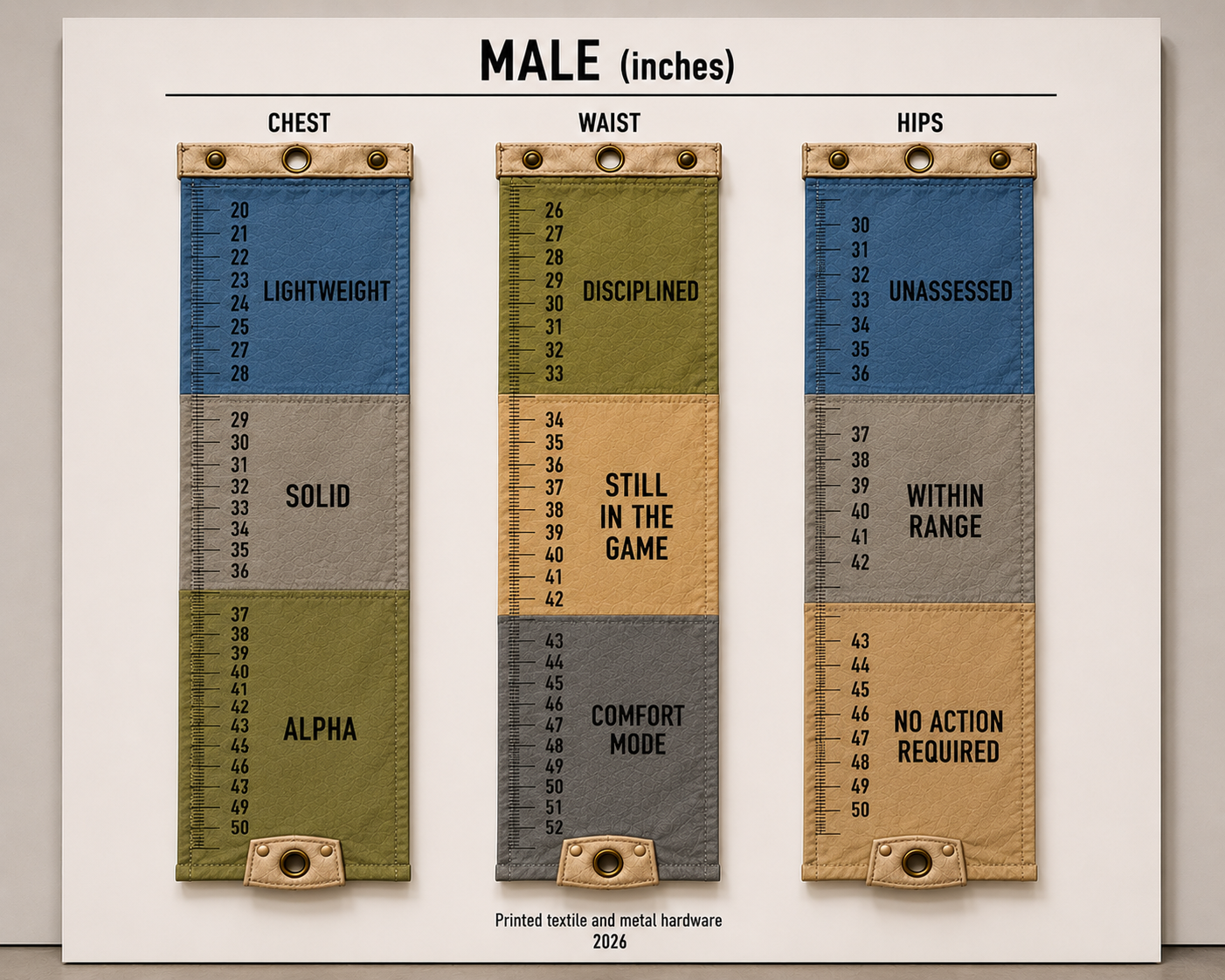
While working on a series of textile tape measures, I worried that viewers might not understand what was being measured. They wouldn’t “get” the concept.
My first instinct was to add wall text. Not a sentence or two, but the kind of explanatory language artists often reach for: body image, cultural expectations, sizing standards, social pressures, historical context.
In other words, a small dissertation.
Instead, I added one word:
(inches)
That was enough.
The viewer immediately understands that the work concerns bodies, measurement, and the judgments that inevitably attach themselves to both.
The experience reminded me that wall text should not function as a cut-and-paste excerpt from a catalog essay.
Its purpose is not to carry the meaning of the work.
Its purpose is to help the work carry its own meaning.
Restraint is often uncomfortable because it removes the easiest solution. Once explanation is no longer available, the work itself must become clearer.
The challenge is rarely finding more words.
The challenge is trusting fewer of them.