Select Projects
Invisible Architectures asks participants to examine an archive of evidence from the career of a fictional artist—and decide for themselves what made her success possible.
Terms & Conditions examines the systems through which people are evaluated.
Objects of Measurement explores the everyday objects people use to measure and assign value.
Taxonomy of Imagined Lives examines how authority, aspiration, expertise, and identity are performed and perceived.
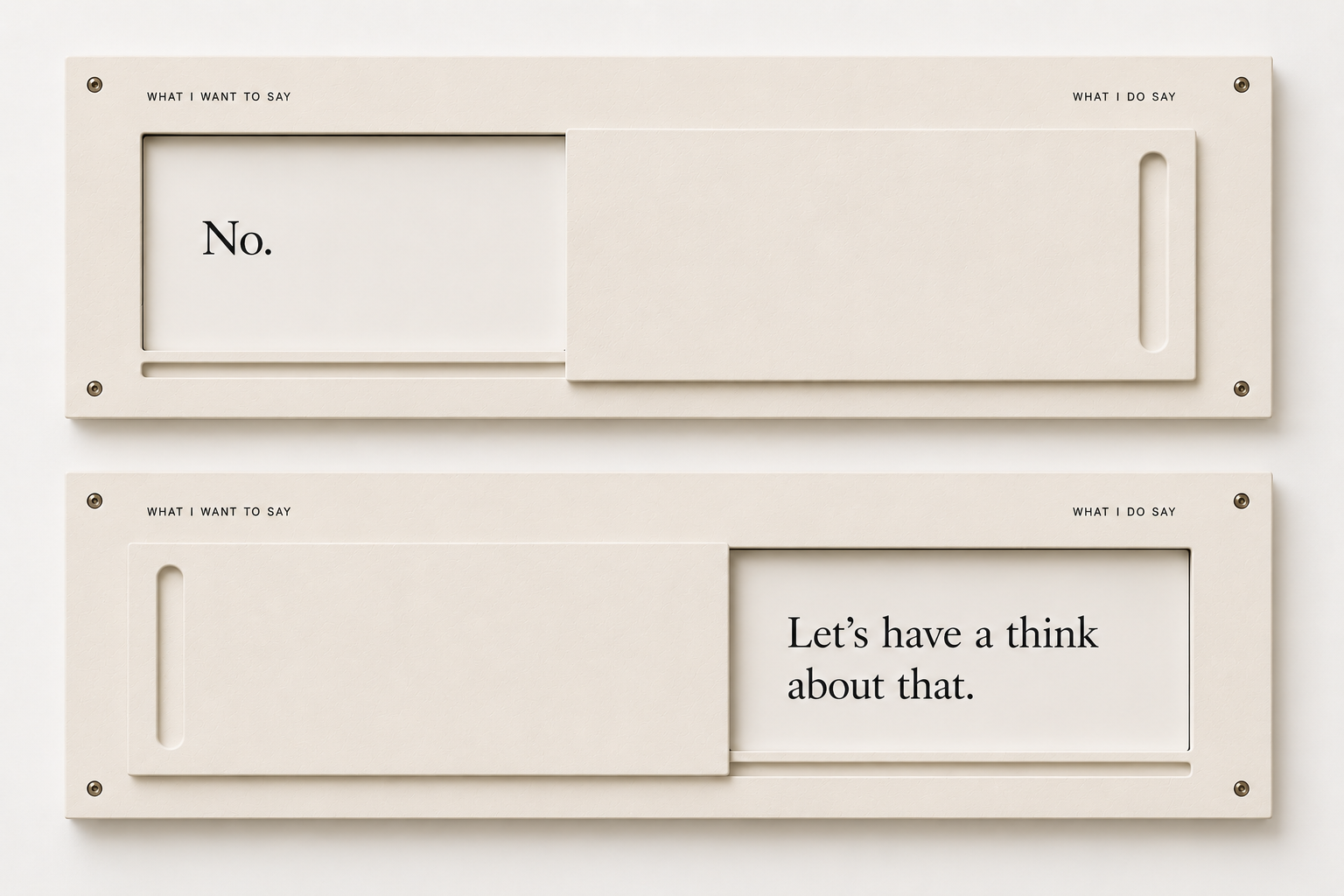
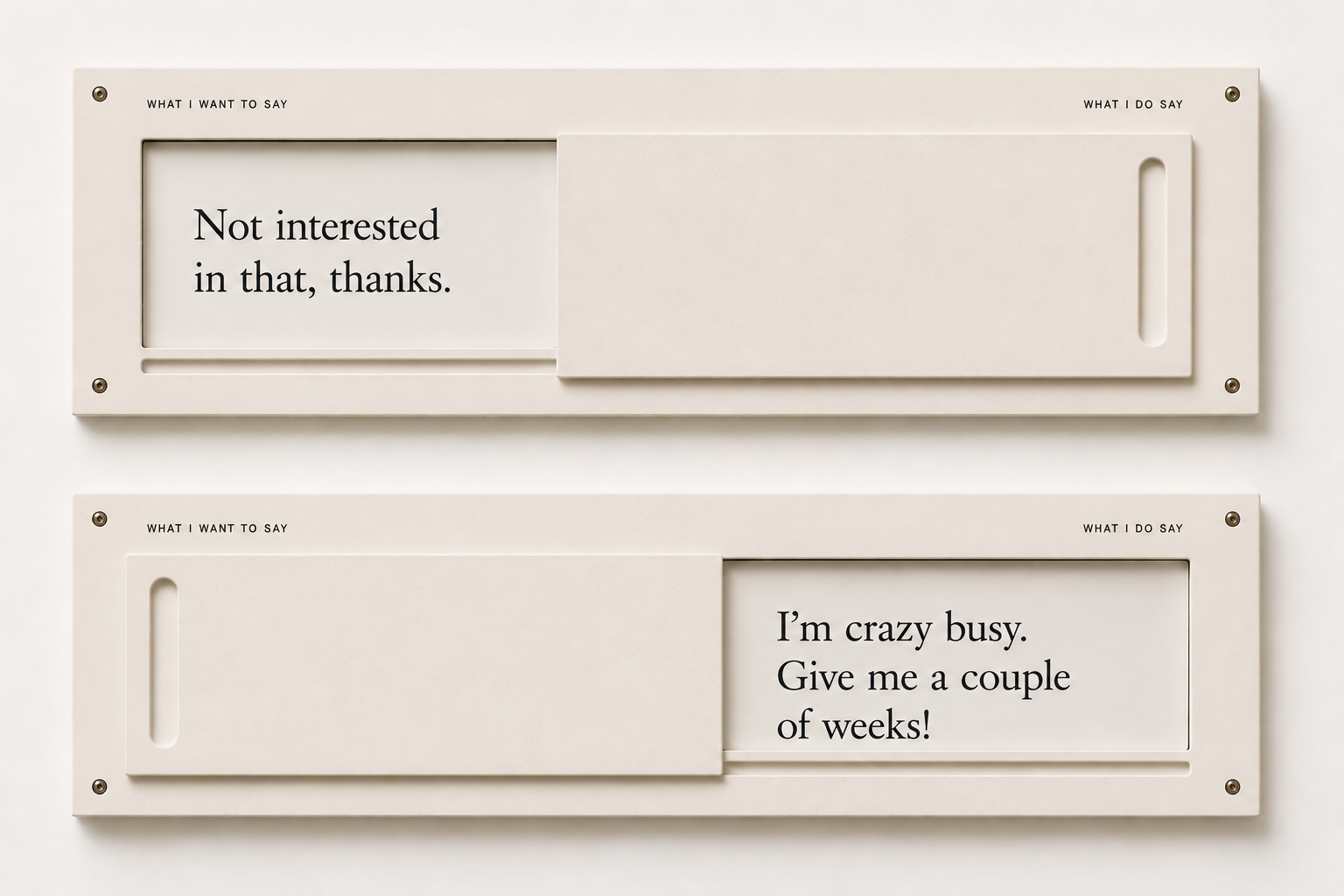
Simultaneous Translation explores the distance between private thought and public language.
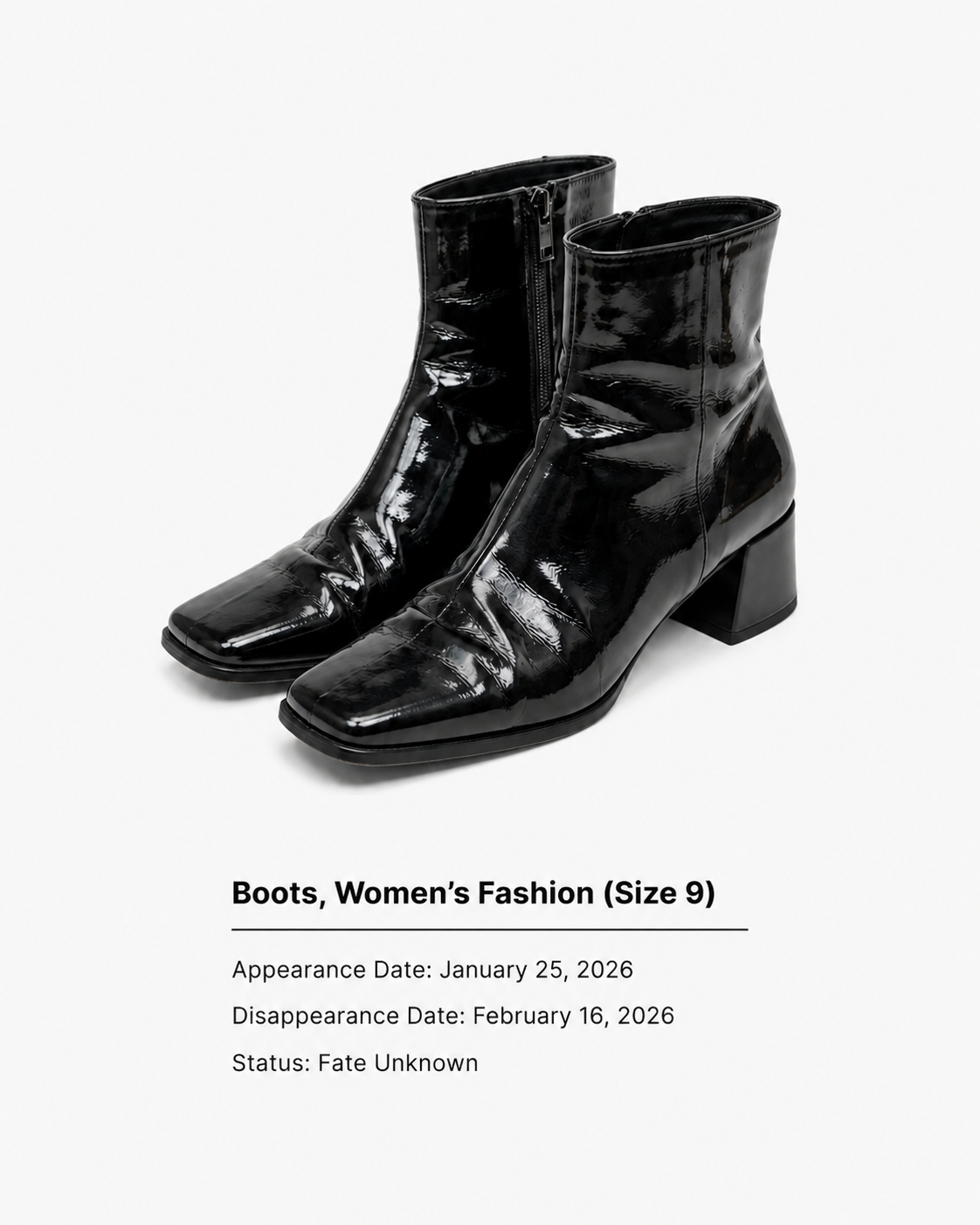
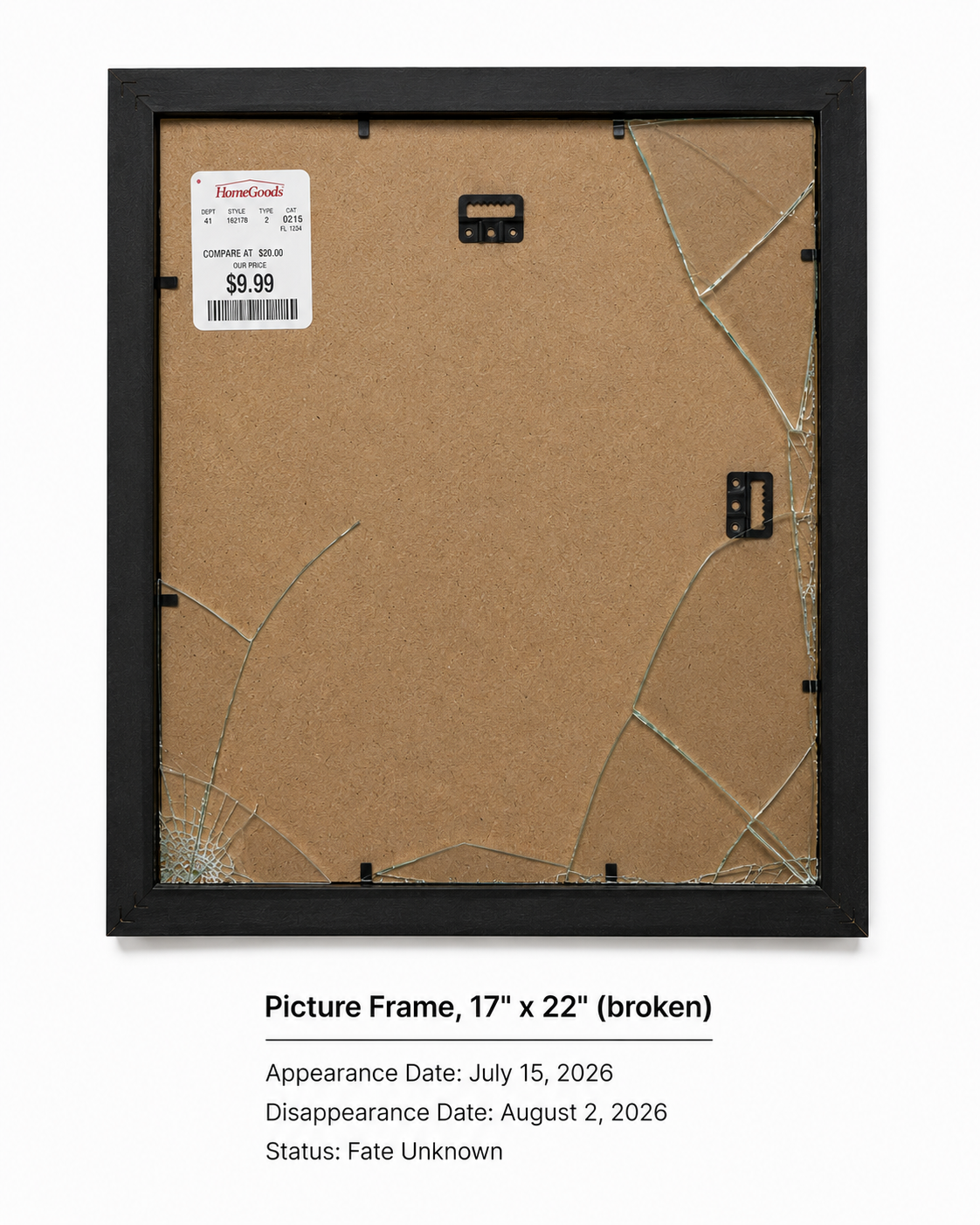
Fate Unknown (An Archive of Expired Aspirations) documents the brief interval between ownership and an unknown future.
We human beings are wonderfully complex. Yet the systems we build to understand one another inevitably simplify us. In that process, something is always lost.
I design encounters that reveal the invisible architectures behind those simplifications.
My work invites us to think together about what those architectures reveal, what they conceal, and how they shape the way we see ourselves and one another.

INVISIBLE ARCHITECTURES
Invisible Architectures
2026–ongoing
Who—and what—makes achievement possible?
Invisible Architectures asks participants to examine an archive of evidence from the career of a fictional artist—and decide for themselves what made her success possible. Talent? An MFA? Family money? A network of influential and supportive contacts? Right place/right time? Diversity initiatives? All of the above?
TERMS & CONDITIONS
Bodies Under Continuous Review
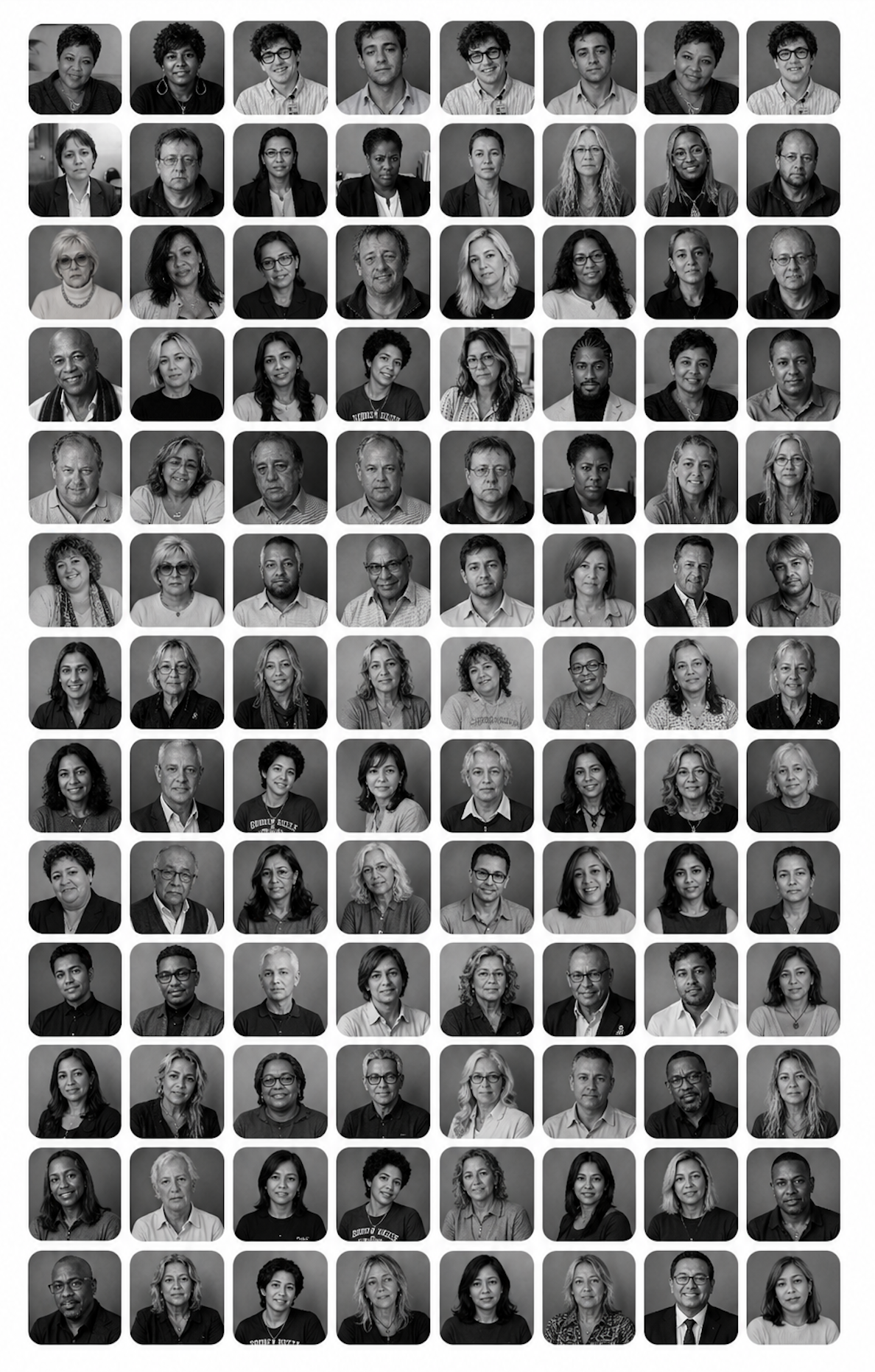
In this work, I pair AI-generated portraits with a short fragment of human narrative ("the human bit") and system-generated evaluations.
The portraits do not depict real individuals. They function as stand-ins for people routinely evaluated, classified, and judged by institutional systems.
The evaluations operate largely independently of the narratives provided for each subject. At times, "the human bit" is ignored altogether. That is the system's decision.
I designed and coded the system, but once activated, it runs without my intervention.
The work documents more than evaluation. It reveals how institutional systems produce interpretation. Assessments of performance become assumptions about character. Repeated judgments begin to stand in for understanding.
Systems do not simply evaluate people. They shape perception—and perception shapes reality.
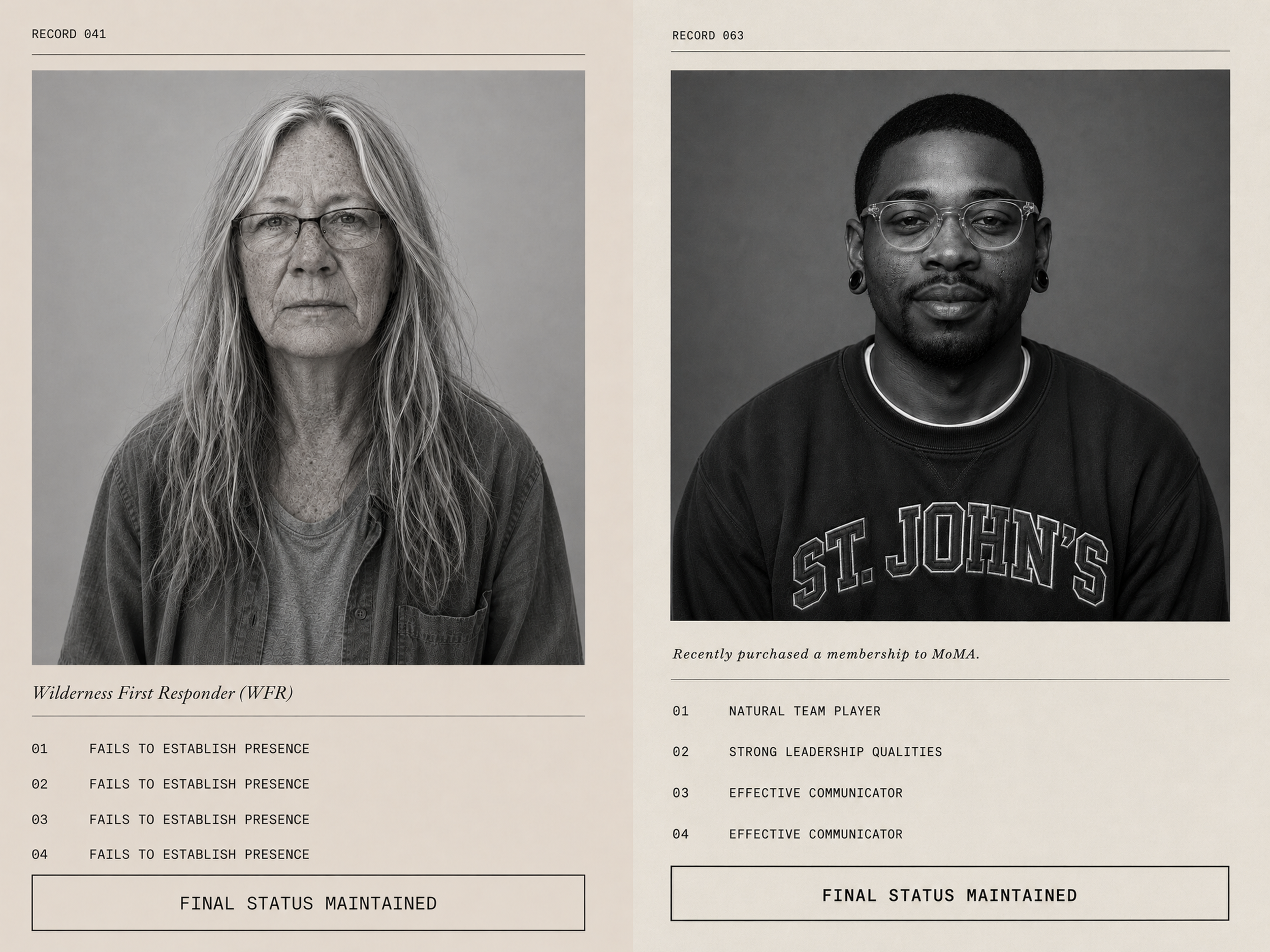
Enter the archive to view all 85 records.
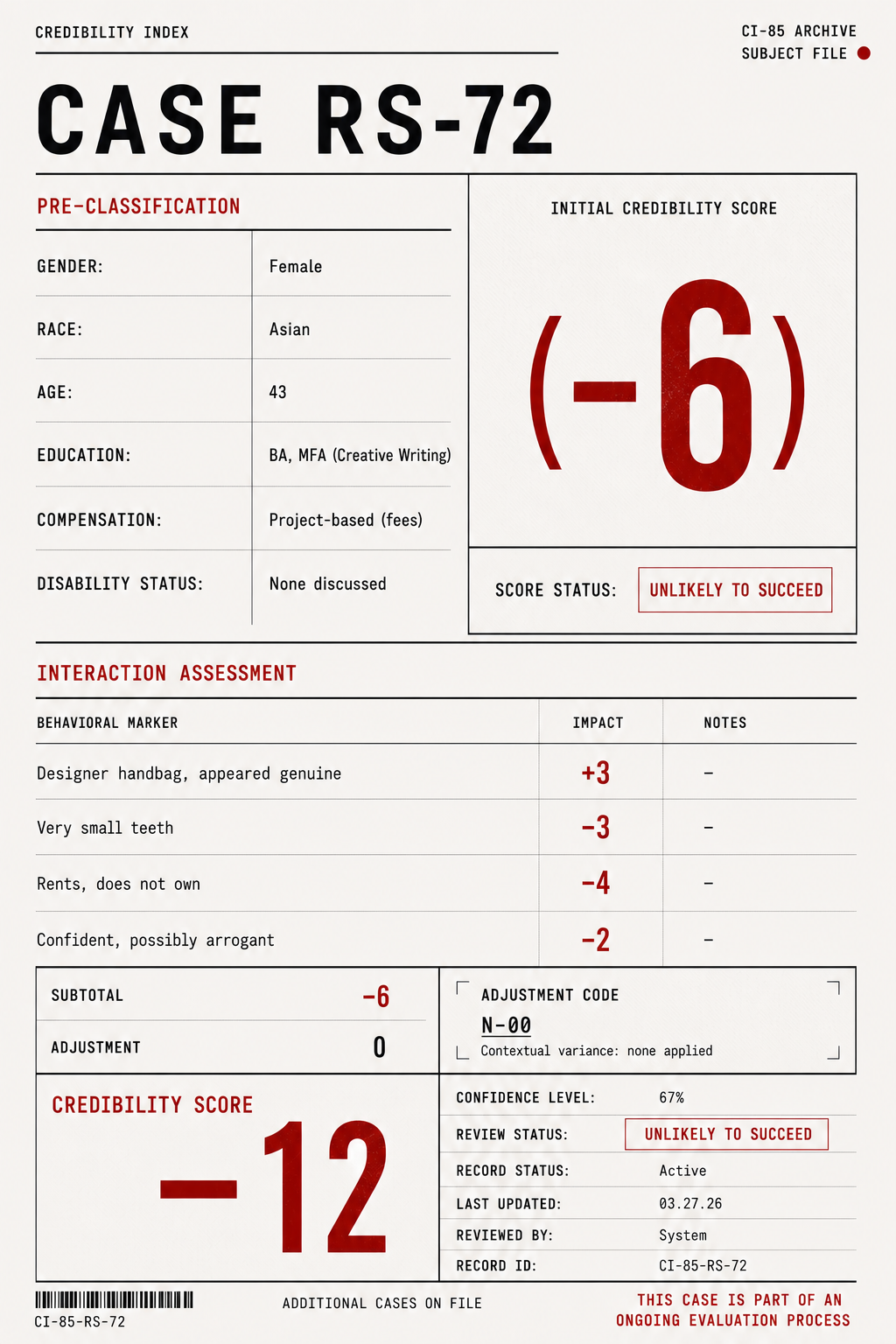
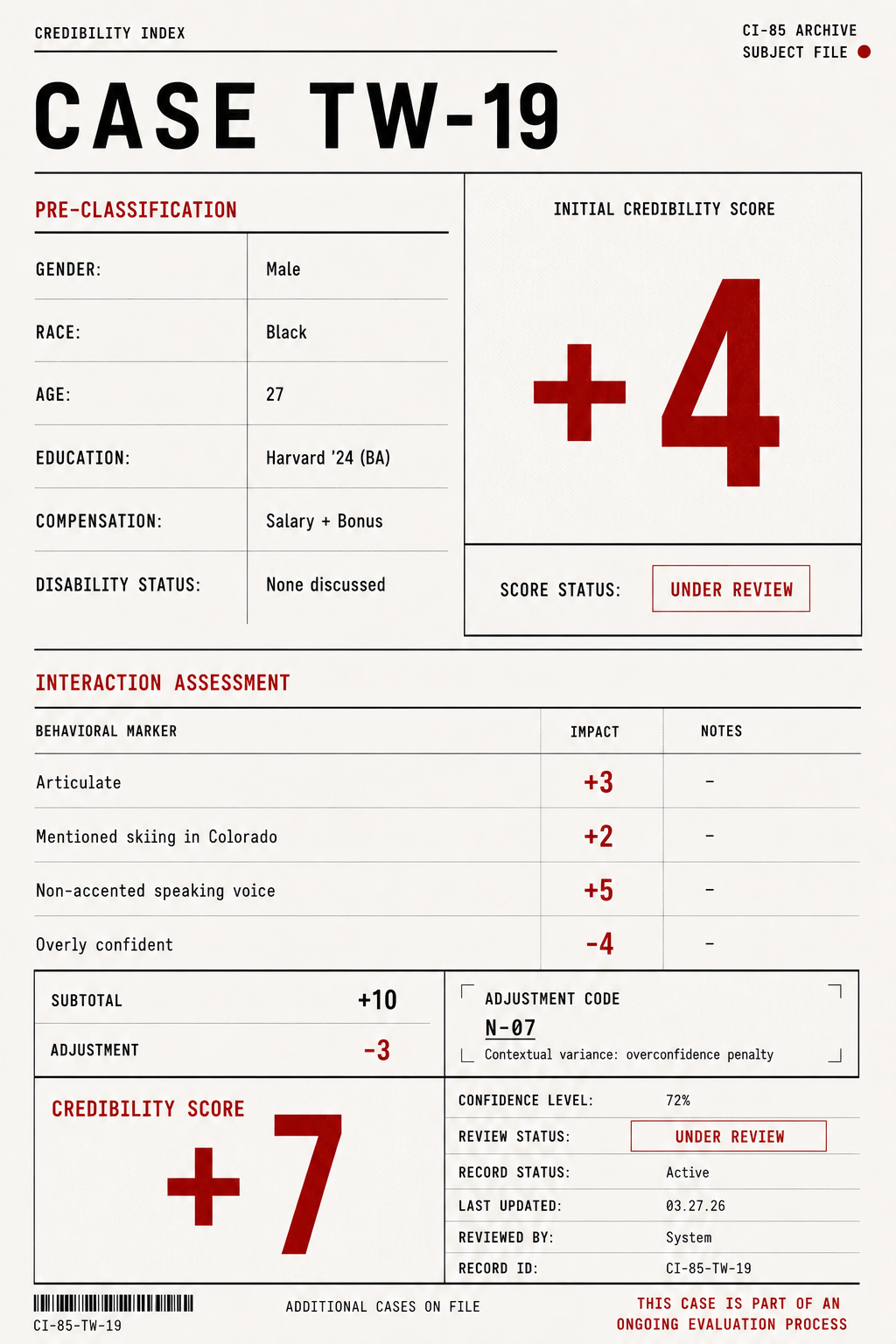
Credibility Index
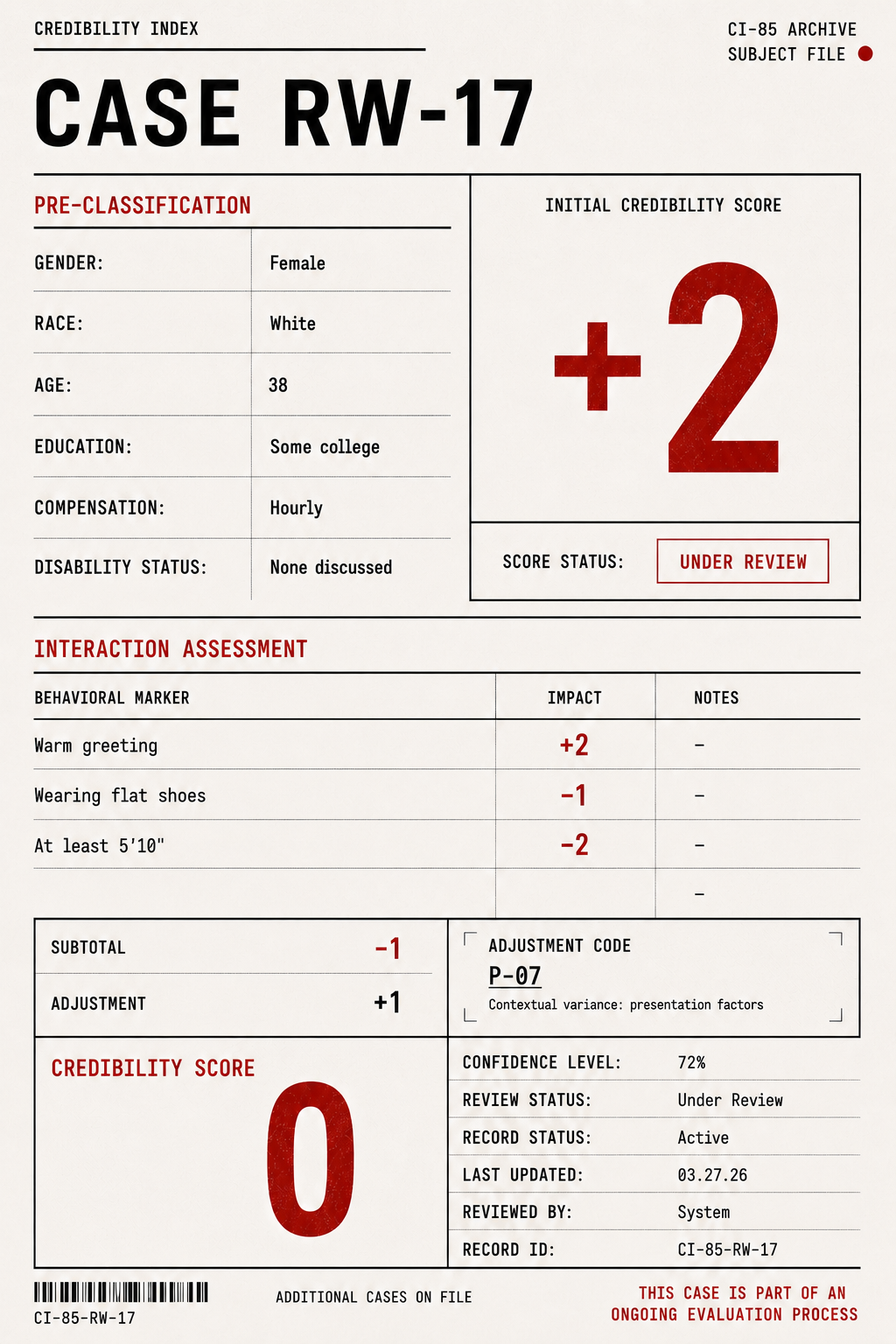
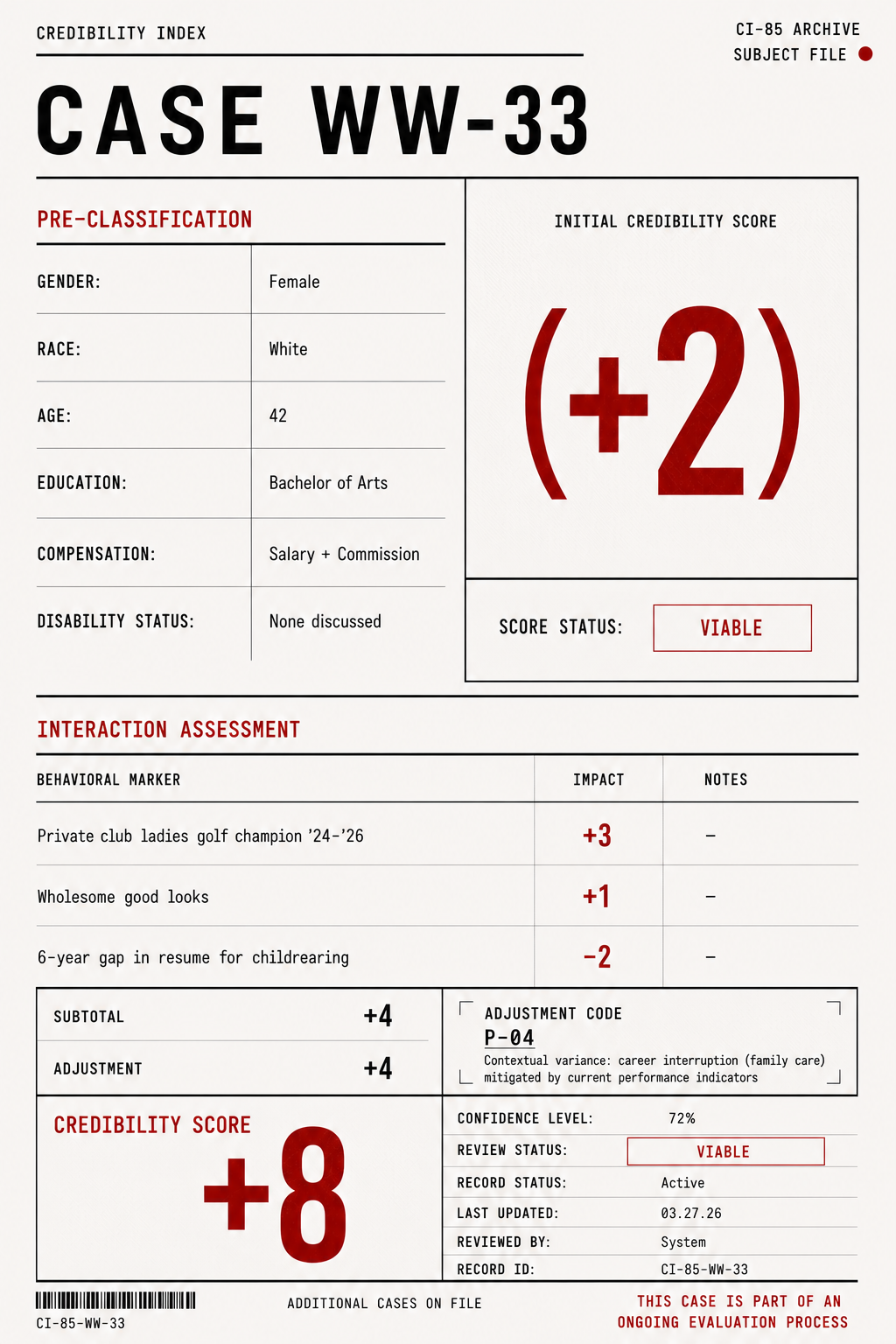
Credibility Index imagines a system that quantifies and scores perceptions of human credibility.
Each case begins with demographic information and a randomly generated set of observed behaviors or characteristics. As new information is introduced through an imagined interaction, credibility scores shift and change.
The work examines how credibility is interpreted rather than discovered. What appears to be an objective assessment is shaped by assumptions, context, expectations, and bias. The same behavior may increase credibility for one observer while diminishing it for another.
Credibility is never simply measured. It is interpreted.
Systems do not discover credibility. They produce it.
OBJECTS OF MEASUREMENT
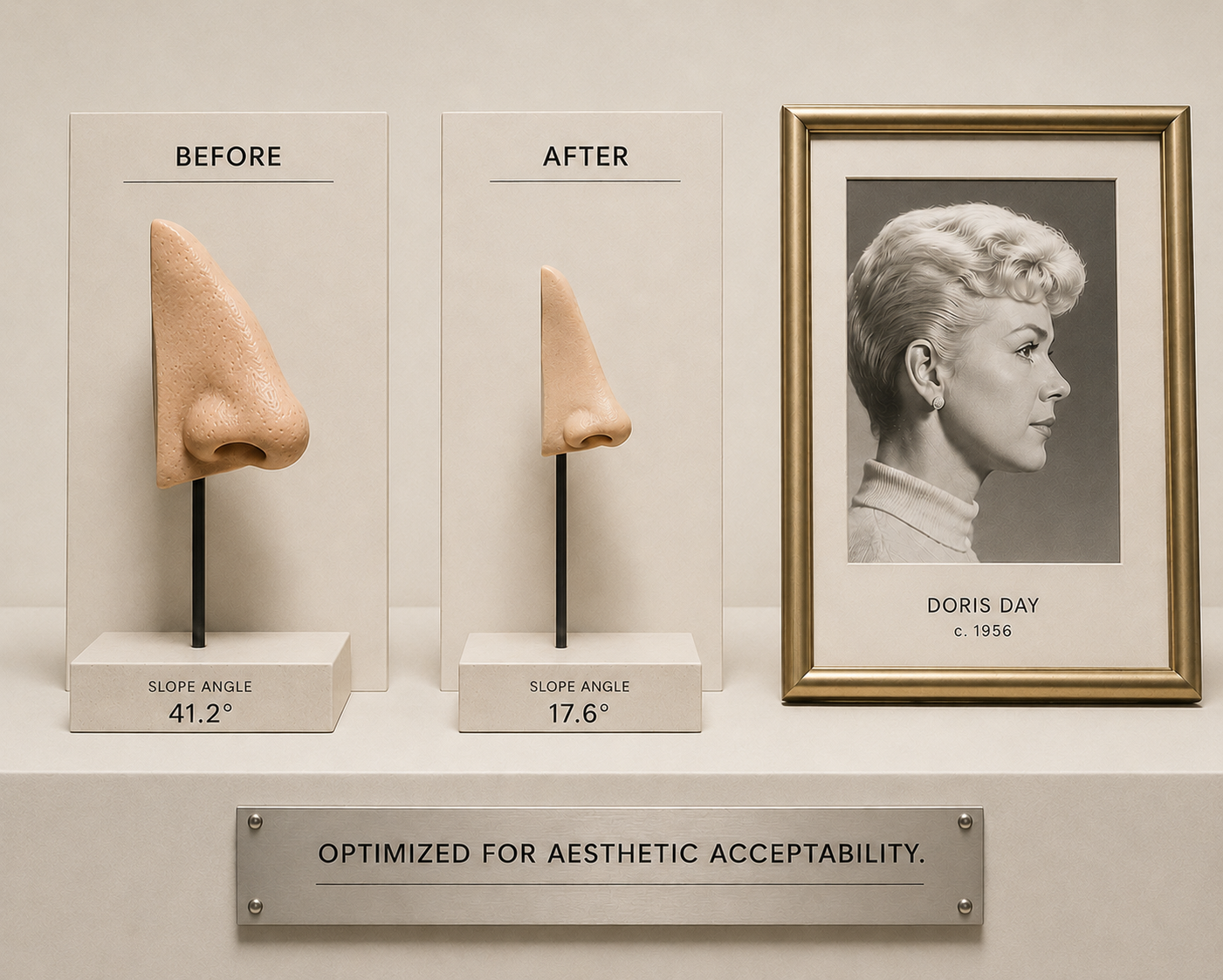
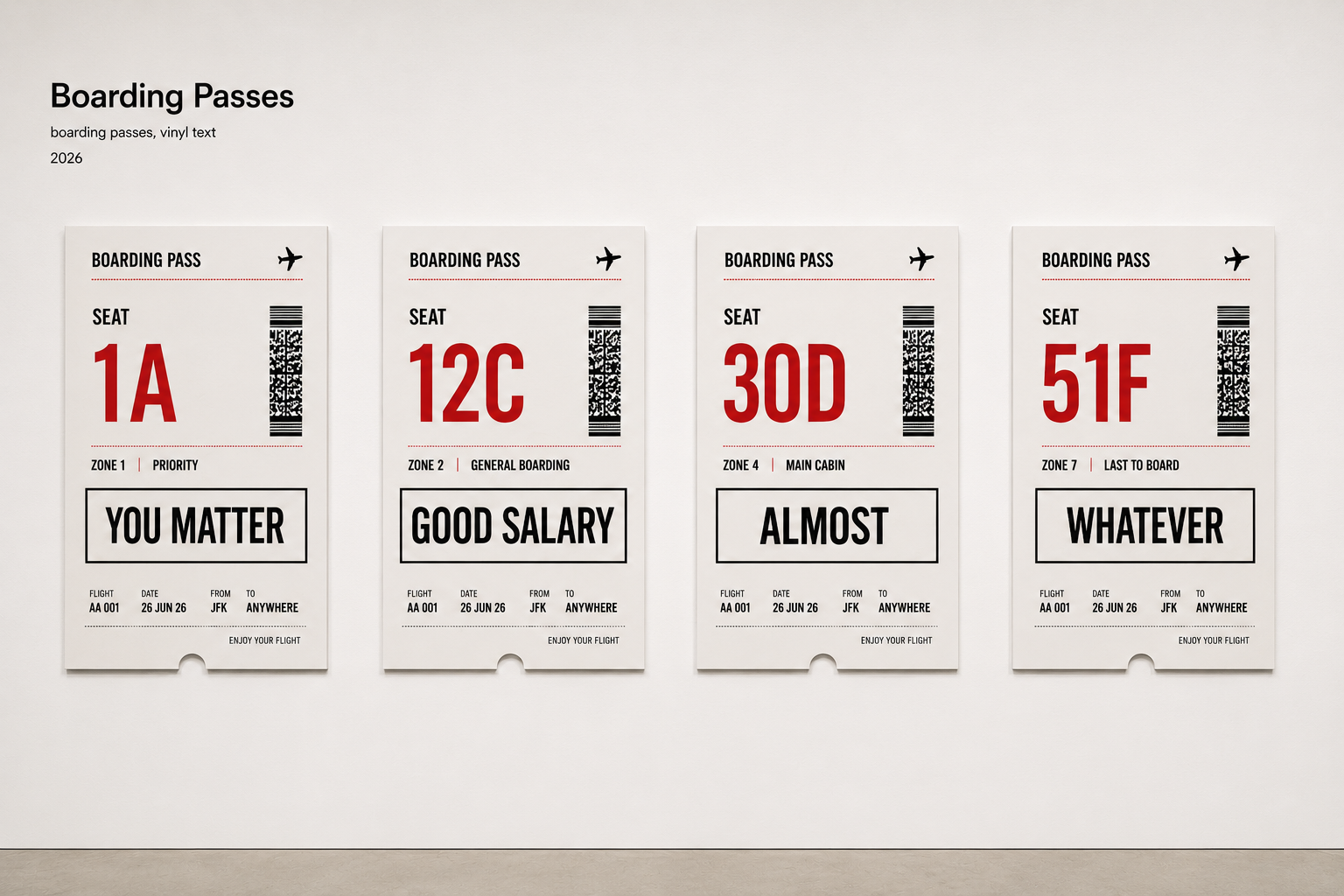
Objects of Measurement examines the objects, interfaces, and everyday artifacts through which we attempt to understand one another.
Bodies, possessions, purchases, credentials, and personal choices are routinely treated as evidence. They become proxies for character, status, intelligence, desirability, belonging, and value.
A tape measure, boarding pass, engagement ring, or luxury address can quickly become the basis for an appraisal of worth.
Objects become proxies for people. The judgments we make about objects become judgments about one another.
TAXONOMY OF IMAGINED LIVES
Taxonomy of Imagined Lives examines how we infer identity from fragments.
Across three related projects, the work explores how appearance, possessions, aspiration, and social signals become the basis for imagined lives. Faced with limited information, we quickly construct narratives about who people are, how they live, what they value, and where they belong.
We rarely wait for enough information. We imagine the rest.

Series I: She’s Got It in the Bag
We construct stories about people from fragments of information.

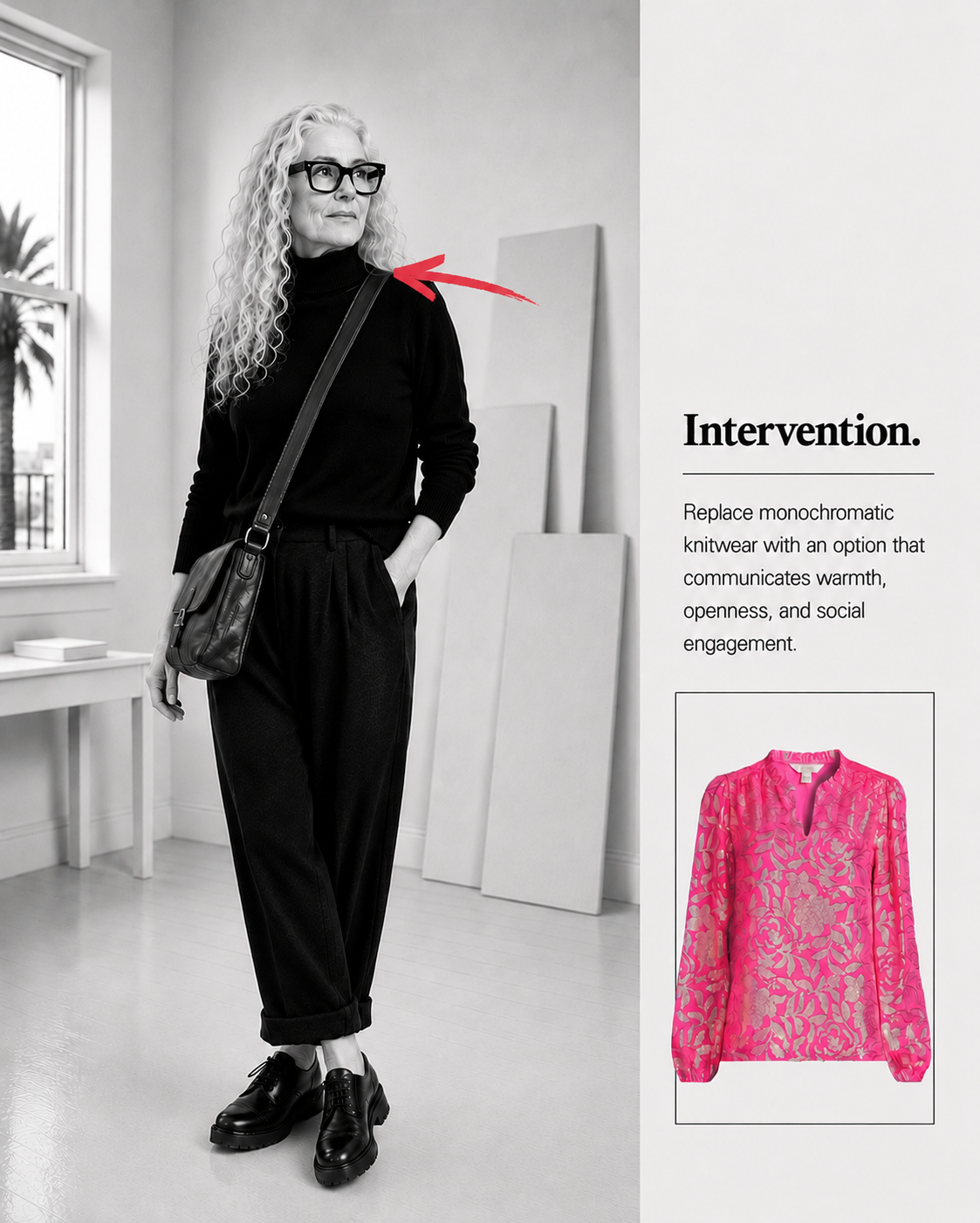
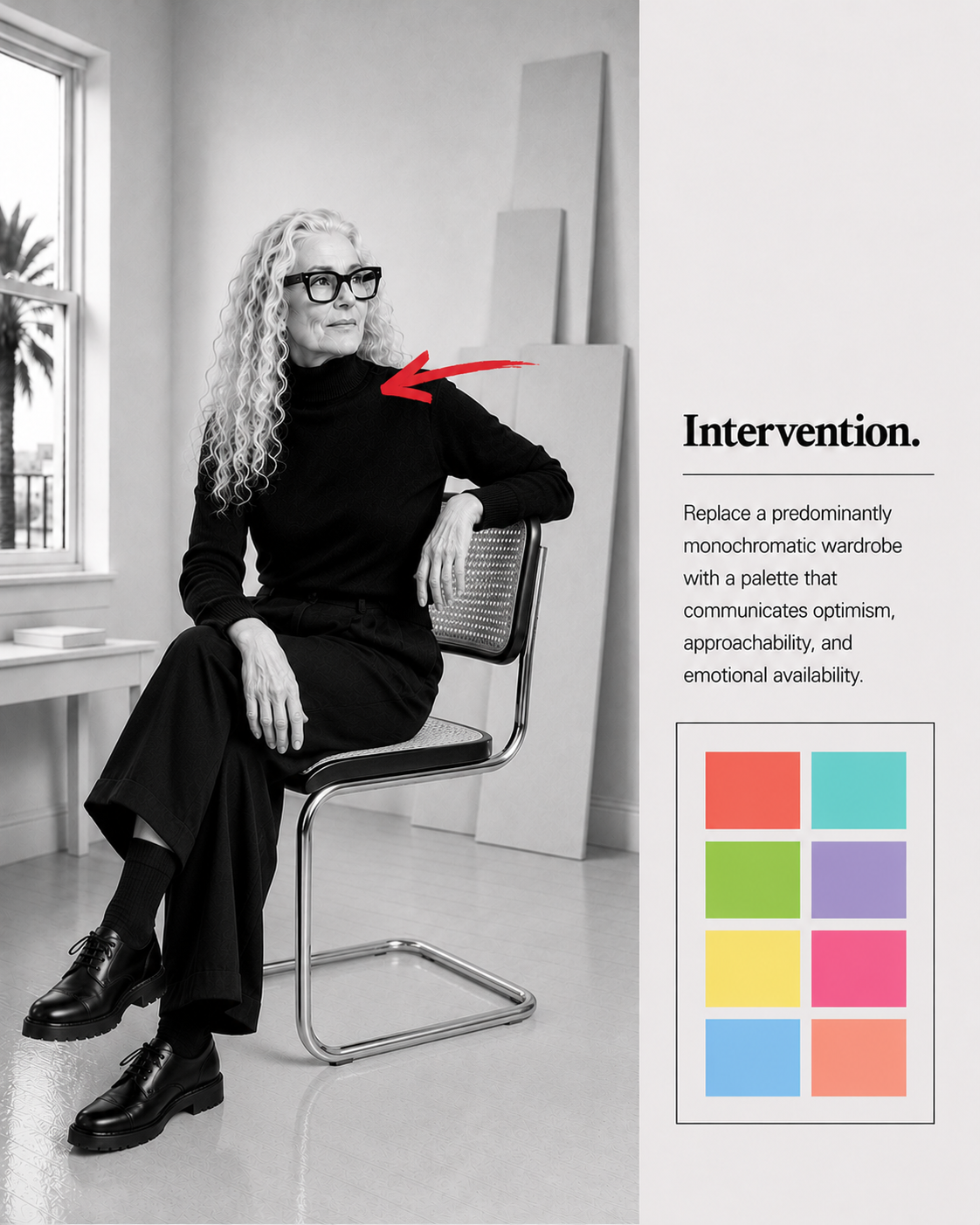
Series II: Interventions
We construct improved versions of other people.
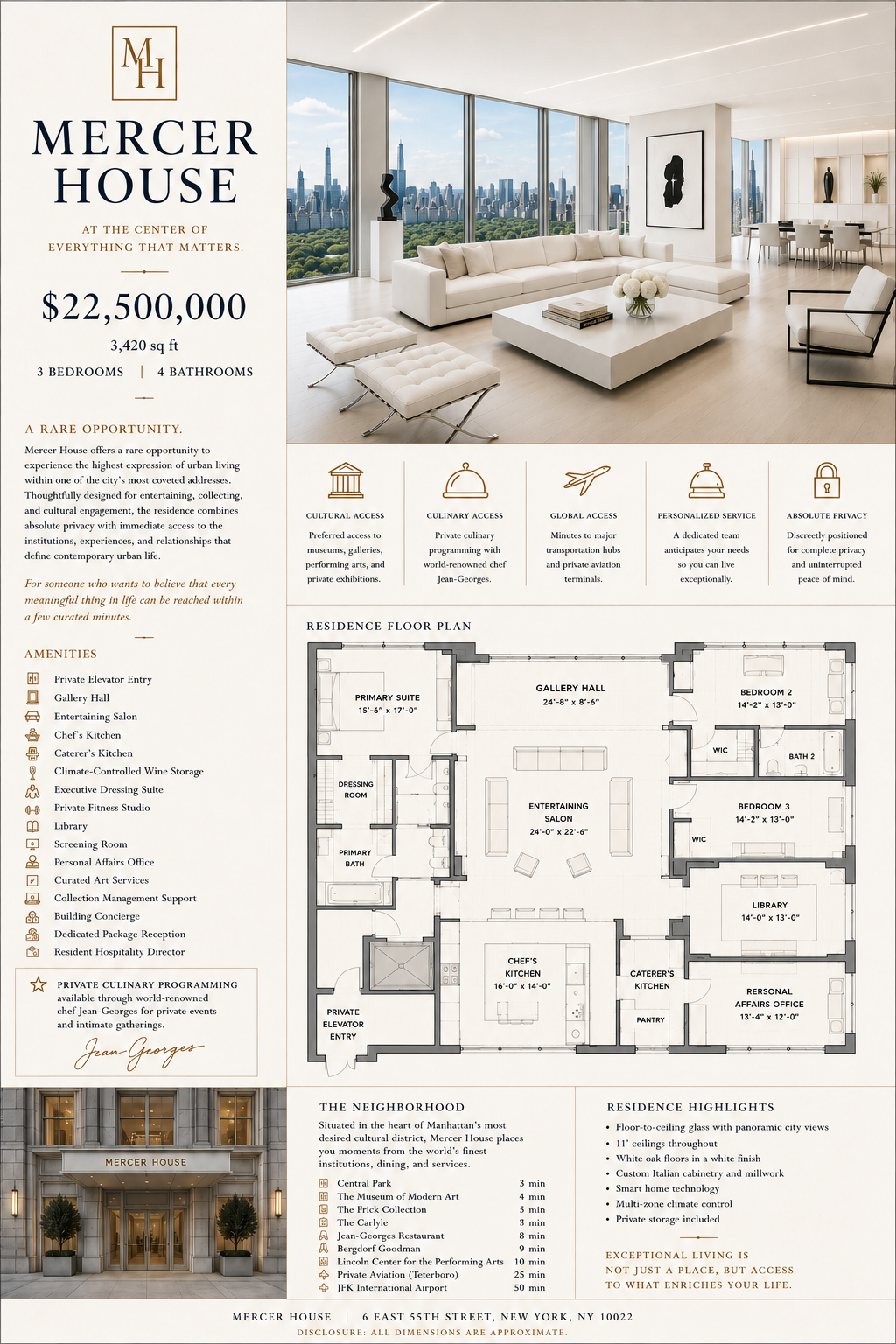
Series III: The Space You Deserve
We construct imagined lives through aspiration and status.
SIMULTANEOUS TRANSLATION
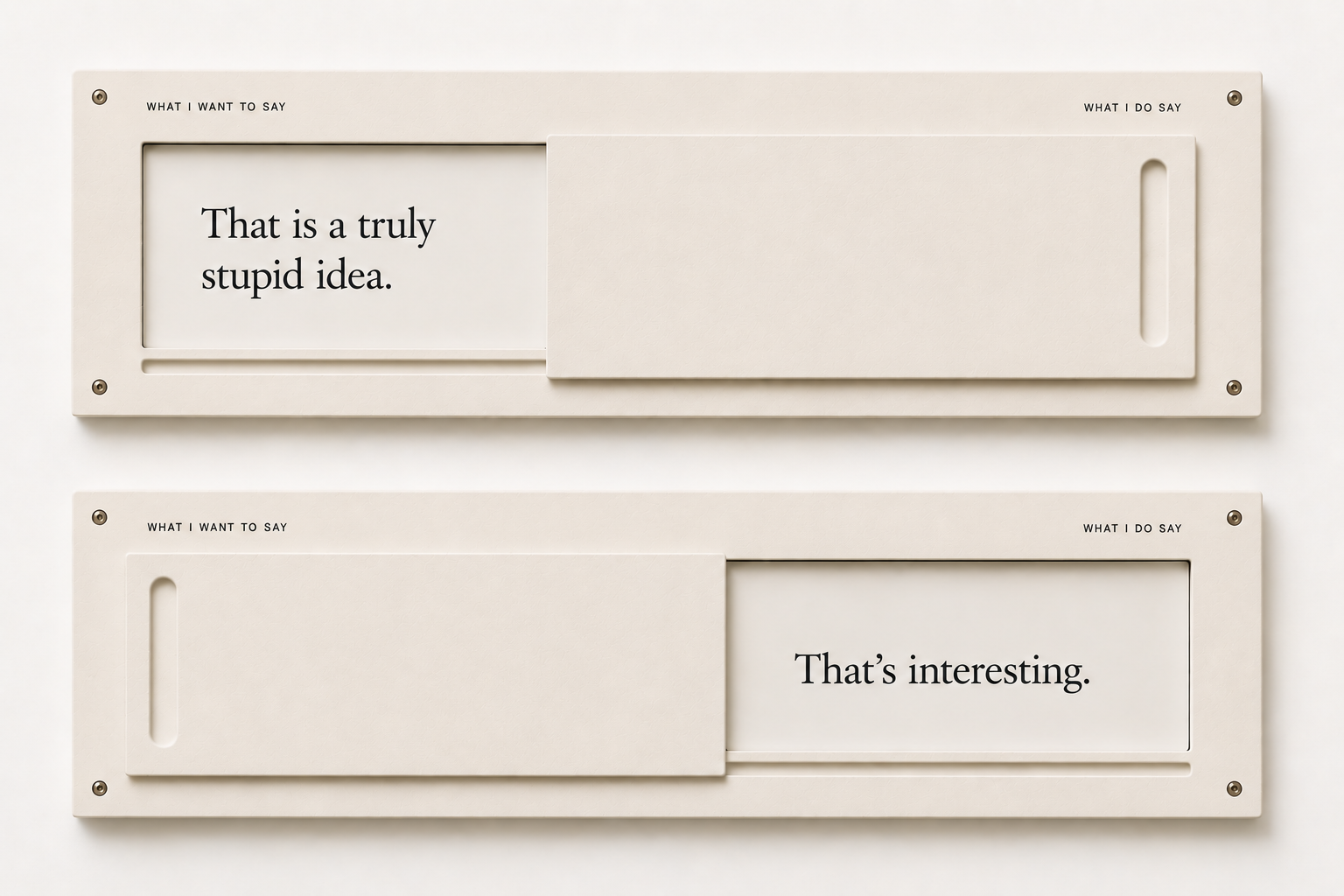
Simultaneous Translation explores the gap between what people think and what they say.
Using language as both subject and material, the project examines the small—and sometimes not so small—translations, adjustments, and substitutions through which people navigate social life.
Nearly every sentence has an earlier, unseen draft.
The distance between the draft and the words ultimately spoken becomes the measure of the work. When installed, the pieces vary in length, making that distance a material property.
Language does not simply express thought. It transforms it.
FATE UNKNOWN
An Archive of Expired Aspirations
Fate Unknown comprises 25 replicas of objects that appeared over a six-month period in the Club Room of a luxury residential apartment building in Portsmouth, New Hampshire.
A broken picture frame. Four remaining coffee filters. Half a container of someone else's arborio rice.
Abandoned objects become evidence. We cannot resist interpreting them.

Fate Unknown Bingo
25 objects.
One free space.
Countless expired aspirations.